Electric wiring may seem intimidating, but many basic tasks can be done safely and efficiently with the right approach. Whether you're replacing a light switch or adding an outlet, following clear steps and prioritizing safety ensures you get the job done without professional help. Here's what you need to know before you start.
Essential Tools for Wiring Projects
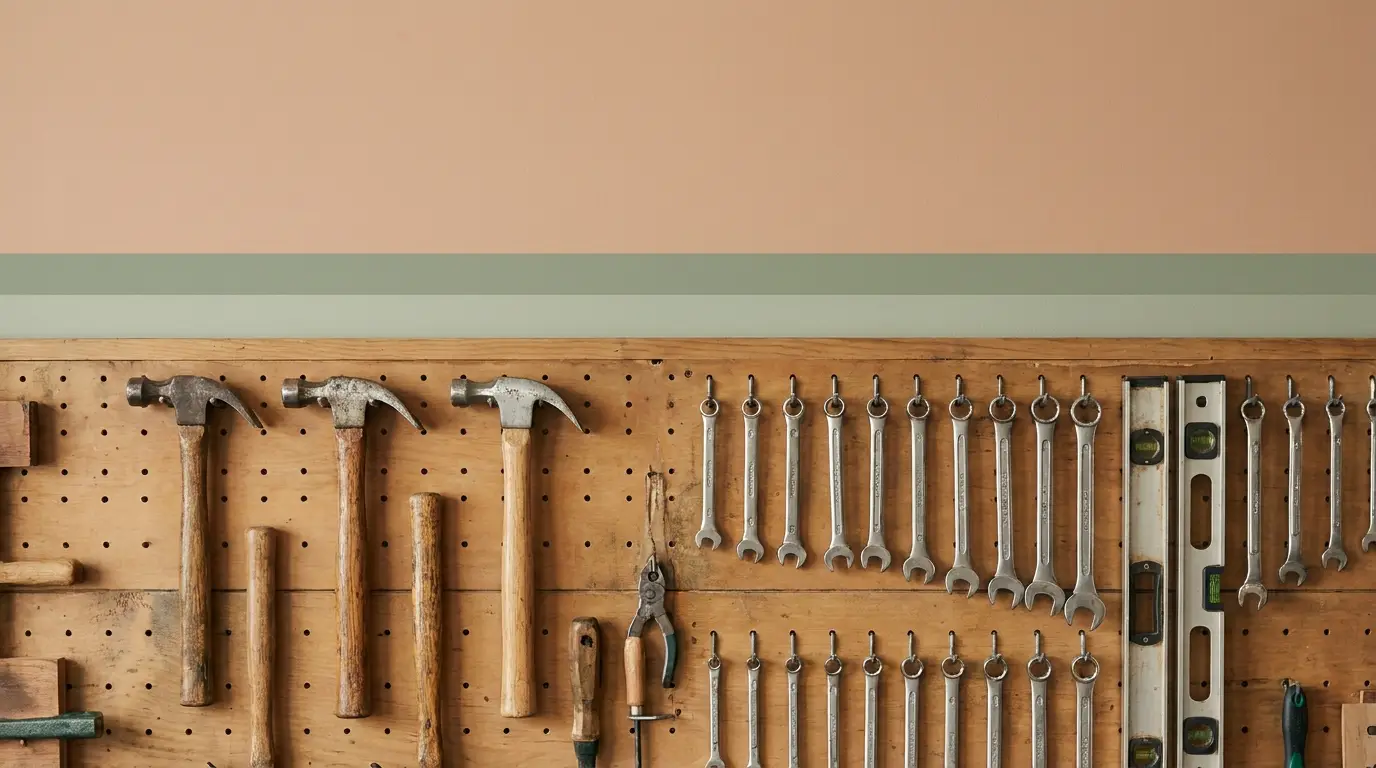
Before starting any electrical work, gather the necessary tools. Some tasks may require specialized items, but these are the basics:
- Voltage tester: Essential for checking if wires are live.
- Wire stripper: Ensures clean cuts and proper insulation removal.
- Screwdrivers: Flathead and Phillips are standard for electrical fixtures.
- Electrical tape: Insulates and secures connections.
- Wire nuts: For safely capping wires.
- Needle-nose pliers: Useful for bending and gripping wires.
Always invest in quality tools. For example, Klein Tools offers durable options for wire strippers and pliers, and their voltage testers are reliable for DIY use. Avoid cheap tools that might break or malfunction during critical moments.
How to Replace a Light Switch
Replacing a light switch is one of the simplest electrical tasks. It's a great starting point for beginners.
- Turn Off the Power: Locate your circuit breaker and switch off the power to the room where you'll work. Double-check with a voltage tester to ensure the wires aren't live.
- Remove the Old Switch: Unscrew the wall plate, then loosen the screws on the switch itself. Gently pull it out to expose the wires.
- Disconnect the Wires: Note the configuration. Typically, you'll have a hot wire (black), neutral wire (white), and a ground wire (bare or green). Unscrew them from the old switch.
- Install the New Switch: Connect the wires to the corresponding terminals on the new switch. Tighten screws firmly but avoid overtightening.
- Secure the Switch: Push the switch back into the box, screw it in place, and reattach the wall plate.
- Restore Power: Flip the circuit breaker back on and test the switch.
Pro tip: If you're replacing a dimmer, check the wattage rating to ensure compatibility with your light fixture.
For more guidance on home improvement, check out A Beginner's Guide to Home Insulation.
Adding an Electrical Outlet
Adding an outlet can be slightly more challenging than replacing a switch, but it's still manageable with careful planning.
- Plan the Location: Choose a spot near an existing outlet. This minimizes the need for additional wiring and makes the process simpler.
- Cut the Hole: Use a drywall saw to create a hole for the new outlet box. Ensure it's the right size for your box.
- Run the Wiring: Shut off power and use fish tape to run the new wire from the existing outlet to the new location. Attach the wire to the terminals in the existing outlet box.
- Install the Outlet Box: Secure the box in the wall and pull the wire through.
- Wire the Outlet: Connect the hot (black), neutral (white), and ground wires to their designated screws on the outlet.
- Test and Secure: Restore power and use a voltage tester to confirm proper connection. Finally, secure the outlet and attach the cover plate.
One thing most people overlook: when wiring multiple outlets in a circuit, ensure you don't exceed the amperage rating of the circuit breaker.
For cordless tools to help with DIY projects like these, see Best Cordless Drills for DIY.
Safety Tips for DIY Electrical Work
Electrical work can be safe if you follow precautions. Here are key tips to avoid accidents:
- Always Kill the Power: Use the circuit breaker to turn off electricity to the area you're working on. Verify with a voltage tester.
- Wear Protective Gear: Insulated gloves and goggles can prevent shocks and injuries.
- Know Your Limits: If you're unsure about a project, consult an electrician. For complex tasks like panel upgrades, professional help is often necessary.
- Use Proper Wiring: Match wire gauges (e.g., 14-gauge for 15-amp circuits, 12-gauge for 20-amp). Using the wrong gauge can lead to overheating.
- Check Local Codes: Ensure your work complies with local electrical codes. In some areas, permits are required for new wiring.
Surprisingly, many DIYers forget to check wire colors. For instance, black and red are typically hot wires, white is neutral, and green or bare copper is grounding. Mixing these up can lead to dangerous errors.
Troubleshooting Common Wiring Issues
Even simple wiring projects can hit snags. Here's how to address common problems:
Outlet Doesn't Work
- Check the breaker: It might have tripped during installation. Reset it and test again.
- Inspect the wiring: Loose connections can prevent electricity from flowing. Tighten all screws securely.
- Test the outlet: Use a voltage tester to ensure the outlet is receiving power. If not, the issue might be upstream.
Switch Fails to Work
- Confirm wiring: Double-check that wires are connected to the correct terminals.
- Test the switch: Faulty switches can sometimes be the issue. Replace with a new one if necessary.
- Inspect the circuit: If the problem persists, the circuit itself may need professional attention.
Flickering Lights
- Loose bulb: Ensure the bulb is screwed in properly.
- Voltage issues: Fluctuations in your home's electrical supply can cause flickering. Contact your utility provider if this happens frequently.
Counter-intuitively, over-tightening connections can damage wires and cause more problems later. Tighten screws firmly but don't strip them.
FAQ
What type of wire is used for home outlets?
Most home outlets use 14-gauge wire for 15-amp circuits and 12-gauge wire for 20-amp circuits. Look for copper conductors, as aluminum wiring is considered unsafe in modern installations.
How can I test if a wire is live?
A non-contact voltage tester is the safest tool for this. Simply hold it near the wire, and it will beep or light up if the wire has electricity running through it.
Can I install an outlet without a ground wire?
No, modern electrical codes require all outlets to be grounded. If your home has ungrounded wiring, you may need to upgrade the system before installing new outlets.
What's the average cost to hire an electrician?
On average, electricians charge between $50 to $100 per hour. Simple tasks like switch replacement may cost $75, while circuit upgrades can exceed $500.
How do I fix an overloaded circuit?
First, identify the devices causing the overload. Spread devices across multiple circuits or upgrade your panel with a higher capacity breaker. Consult an electrician for upgrades.
Are smart switches harder to install?
No, most smart switches install like standard ones but require a neutral wire. Check if your junction box has one before purchasing a smart switch. Brands like Lutron Caseta are beginner-friendly.