Choosing the correct adhesive for your craft project can make all the difference, preventing common failures like peeling or weak bonds. Many crafters grab whatever's available, but that's a mistake. You'll need a specific type of glue to ensure your creations last, whether you're working with paper, fabric, or wood. We've reviewed seven popular options, highlighting their best uses and typical costs.
Quick answer: The best craft glue depends on your materials. For paper, use a PVA craft glue like Elmer's School Glue (around $5 per 4 oz). For fabric, Aleene's Fabric Fusion provides a flexible, washable bond (about $7). Wood projects need a strong PVA wood glue, such as Titebond III, which costs around $15 per 16 oz.
Understanding Different Glue Types
Craft glues aren't one-size-fits-all. Each formula offers distinct properties, affecting drying time, bond strength, and flexibility. Knowing the differences helps you select the right product, saving both time and money. For example, using a standard school glue on metal won't hold, while a strong epoxy might damage delicate paper.
PVA Craft Glues (Elmer's, Aleene's Tacky Glue)
These water-based glues are common for general paper, cardboard, and light fabric projects. They're non-toxic, clean up with water, and dry clear. Elmer's School Glue, available for around $4.99 per 8 oz bottle, is a classic for kids' crafts and school projects. Aleene's Original Tacky Glue, typically $6 for an 8 oz bottle, offers a thicker consistency and a stronger initial tack, which is helpful for holding pieces in place while drying. You'll find it sets in about 35 minutes and cures fully in 24 hours.
Fabric Glues (Aleene's Fabric Fusion)
For textile projects, you'll want a glue that remains flexible and is washable once cured. Standard craft glues often become rigid and crack, ruining your fabric. Aleene's Fabric Fusion, priced around $7 per 4 oz, creates a permanent, machine-washable bond. It's perfect for attaching appliques, hemming, or repairing small tears without sewing. This glue takes about 2-4 hours to dry to the touch and requires 24-72 hours for a full cure before washing.
Super Glues (Cyanoacrylate Adhesives)
Super glues, or CAs, are for quick, strong bonds on non-porous materials like plastic, metal, and ceramics. They dry almost instantly, often within 10-30 seconds. However, they can be brittle and don't offer much flexibility. A small 0.07 oz tube of Loctite Super Glue Gel costs about $5. It's excellent for tiny repairs or securing small embellishments, but use it sparingly. This glue can bond skin in seconds, so wear gloves and protect your work surface.
Specialized Adhesives for Specific Projects
Some craft projects demand specialized adhesives to achieve lasting results. You can't just pick any glue for outdoor decor or heavy-duty repairs. Think about the environment and the stresses your finished piece will endure. For instance, outdoor projects need weather-resistant formulas, while wood joints require glues that penetrate and strengthen fibers.
Hot Glue (Low-Temp and High-Temp)
Hot glue guns are invaluable for quick, temporary, or structural bonds. Low-temp guns (around $10 for a basic model with 10 glue sticks) are safer for delicate materials like balloons, foam, or children's crafts, melting glue at approximately 250°F (121°C). High-temp guns (starting at $15 with 10 sticks) reach about 380°F (193°C), providing stronger bonds for wood, plastics, and heavier fabrics. The bond is nearly instant, making it great for assembly. However, hot glue isn't typically the strongest or most permanent solution for high-stress areas.
Wood Glues (PVA Wood Glue like Titebond III)
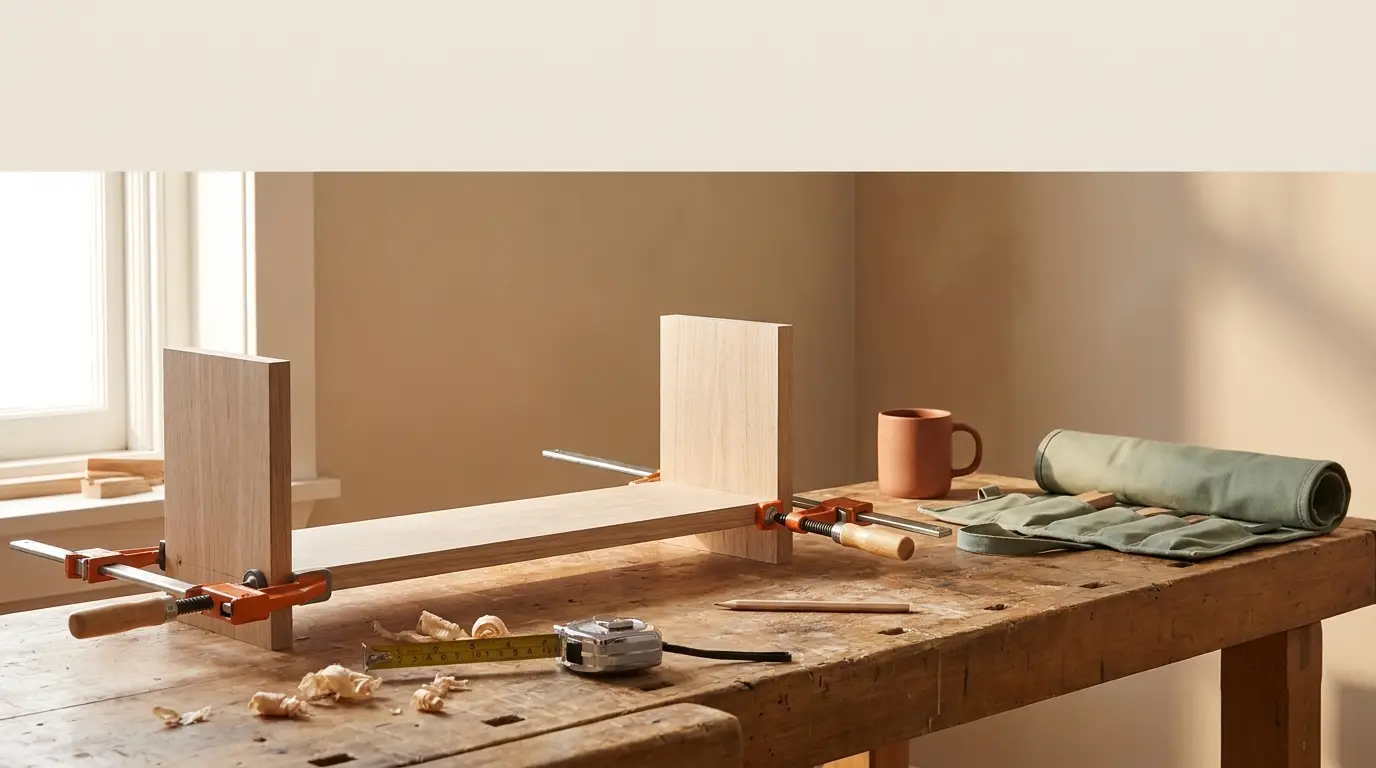
For woodworking crafts, a strong PVA wood glue is essential. These glues penetrate wood fibers, creating a bond often stronger than the wood itself. Titebond III Ultimate Wood Glue, retailing for about $15 per 16 oz, is a popular choice. It offers excellent water resistance, making it suitable for both indoor and outdoor projects. You'll find it has an open time of about 10-15 minutes and requires 30-60 minutes of clamp time, with a full cure in 24 hours. For detailed woodworking instructions, you'll want to review a guide to caulking and sealing at home.
Epoxy Adhesives (Two-Part Resins)
When you need an incredibly strong, durable, and gap-filling bond, a two-part epoxy is your best bet. These glues consist of a resin and a hardener mixed just before application. They create a chemical reaction, forming a rigid, waterproof bond resistant to heat and chemicals. A small kit of J-B Weld KwikWeld, which costs around $8, sets in 6 minutes and cures in 4 hours, reaching a tensile strength of 2,424 PSI. Epoxies work well on metal, glass, ceramic, and some plastics, making them perfect for structural repairs or attaching heavy embellishments.
Choosing the Right Glue for Your Project
Selecting the best glue involves considering your materials, project needs, and desired outcome. Don't simply grab the cheapest bottle. Think about what you're sticking together and how much stress the bond will endure. You'll also want to consider factors like drying time, flexibility, and water resistance.
Here's a quick reference table for common craft materials and recommended glues:
| Material Type | Recommended Glue | Key Benefit | Typical Cost (USD) | | :------------ | :--------------- | :---------- | :----------------- | | Paper, Cardboard | PVA Craft Glue | Non-toxic, dries clear | $5 - $8 | | Fabric, Felt | Fabric Glue | Flexible, washable | $7 - $10 | | Wood, Hardboard | PVA Wood Glue | Strong, durable bond | $10 - $20 | | Plastic, Metal, Ceramic | Super Glue (CA) | Fast-drying, strong | $5 - $12 | | Heavy or Mixed Materials | Epoxy Adhesive | Very strong, gap-filling | $8 - $20 | | Foam, Delicate Items | Low-Temp Hot Glue | Instant, safer for heat-sensitive | $10 - $25 (gun+sticks) |
For most general crafts involving paper or light embellishments, a PVA craft glue like Elmer's is perfectly fine. If you're working with fabrics that will be washed, a dedicated fabric glue is essential to prevent your creation from falling apart. When building something structural, particularly with wood, Titebond III offers superior strength and durability. For electronic components or small, precise bonding, you might consider using specific adhesives, similar to those recommended for smart home devices.
In the end, you'll want to test your chosen glue on a scrap piece of material before applying it to your main project. This step helps confirm compatibility and gives you a feel for the drying time and application. Don't skip it; you'll save yourself potential frustration.
FAQ
What glue dries fastest for paper crafts?
For paper crafts, quick-drying options like Aleene's Tacky Glue or a clear-drying craft glue are ideal. Many formulas dry to the touch in under 30 minutes, with a full cure often within 24 hours. Consider using a low-temp hot glue gun for instant bonds on specific elements.
Can I use super glue on fabric?
You can use super glue on fabric, but it's generally not recommended for large areas. It creates a very rigid bond that can crack or yellow over time, especially with repeated washing. Fabric-specific glues, like Aleene's Fabric Fusion, offer flexible, washable, and durable results for about $7.
Is hot glue strong enough for wood?
Hot glue offers an instant bond for wood, but it isn't strong enough for structural wood projects. It provides about 200-300 PSI of tensile strength, while a good PVA wood glue like Titebond III offers over 3,000 PSI. Hot glue works for temporary fixes or light embellishments, but for lasting wood joints, you'll need a dedicated wood adhesive.
How long does wood glue need to cure?
Most PVA wood glues, such as Titebond I or II, require 24 hours for a full cure. Titebond III, a waterproof option, also needs 24 hours to reach maximum strength, though it can be handled after 30-60 minutes of clamp time. Always check the manufacturer's instructions for specific cure times, especially for projects under load.