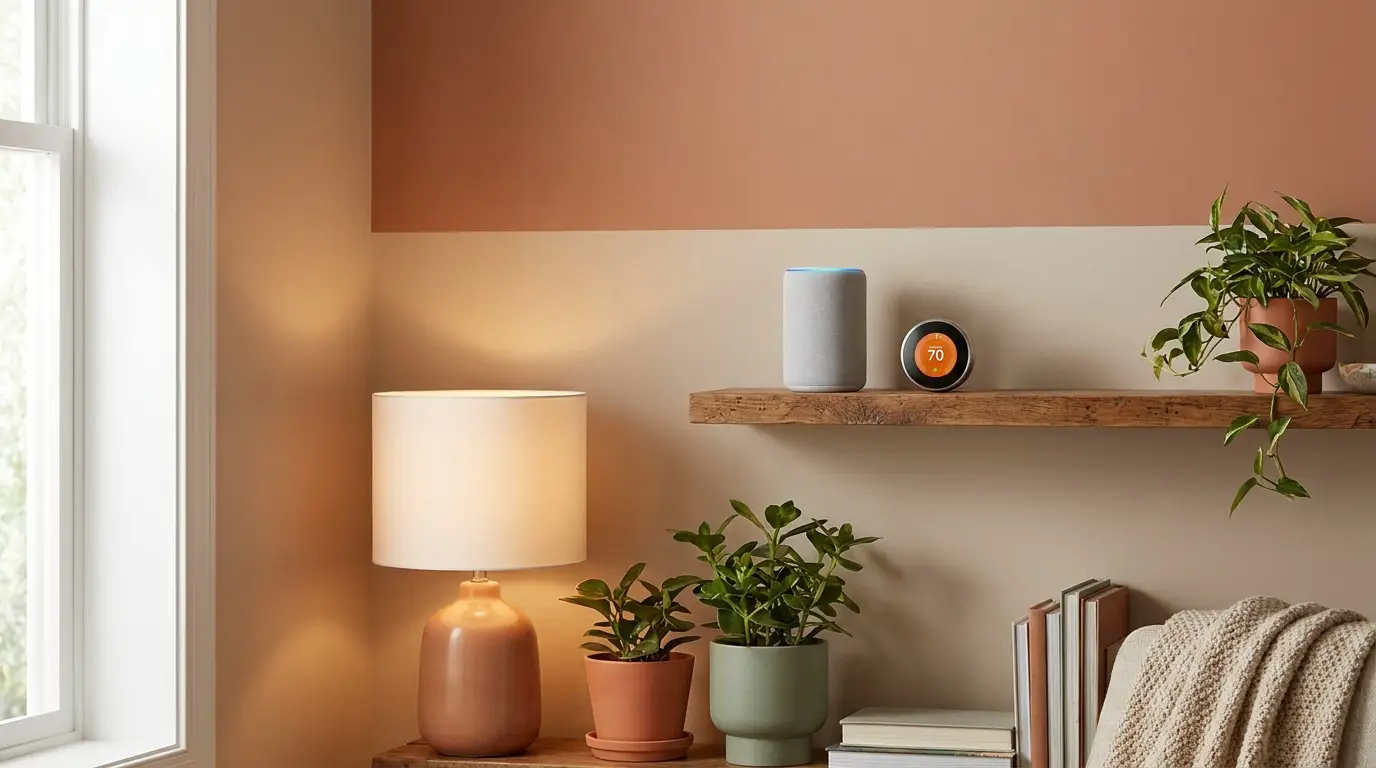
Managing a smart home can be tricky when you have devices from different brands. A smart home hub simplifies this by acting as a central control system, letting you operate everything from smart lights to security cameras smoothly. We’ve reviewed dozens of options and narrowed it down to the top five smart home hubs that provide reliable performance, broad compatibility, and user-friendly interfaces.
1. Amazon Echo 4th Gen
The Amazon Echo 4th Gen isn’t just a speaker, it’s a hub for your smart home. It supports Zigbee, which means you can connect smart lights, locks, and sensors without needing additional hubs. Alexa is built in, allowing voice control for compatible devices like smart plugs and thermostats.
What sets the Echo apart is its versatility. Beyond controlling devices, you can use it to stream music, set reminders, and even make calls. Priced around $99, it’s a solid choice for homes that rely heavily on Alexa-compatible devices.
That said, if your smart home leans more heavily on Google Assistant-enabled gadgets, you might want to consider alternatives like the Google Nest Hub. Learn more about home security systems with no monthly fee.
2. Samsung SmartThings Hub
The Samsung SmartThings Hub is one of the most versatile options available, supporting over 5,000 devices from brands like Philips Hue, Ring, and Honeywell. It works with both Z-Wave and Zigbee protocols, ensuring compatibility with a broad array of devices.
The hub is ideal for large homes or users who want to integrate multiple ecosystems under one roof. You can create automation routines, like turning off lights and locking doors when you leave home, all from the app. The hub retails for approximately $120, making it a slightly pricier but worthwhile investment for advanced users.
One downside is the setup process, which can be a bit tricky. However, once configured, it’s incredibly reliable. For additional tips on smart home setup, check out our guide to home security camera systems.
3. Google Nest Hub Max
If you’re already invested in Google’s ecosystem, the Nest Hub Max is the way to go. With a 10-inch HD touchscreen, it does more than control devices. You can make video calls, watch YouTube, and view your Google Photos. It supports voice control via Google Assistant and integrates with popular brands like Nest, Philips Hue, and TP-Link.
One standout feature is its built-in Nest Cam, which allows you to monitor your home while you’re away. Priced at $229, it’s more expensive than other hubs but offers functionality beyond just device control.
Keep in mind, the Nest Hub Max doesn’t support Z-Wave or Zigbee, so compatibility might be limited compared to Samsung SmartThings. If you’re deciding between hubs, it’s worth checking your existing devices for compatibility.
4. Hubitat Elevation
For advanced users who want more customization, the Hubitat Elevation is a great option. Unlike cloud-dependent hubs, Hubitat processes commands locally, offering faster response times and greater privacy. It supports Z-Wave and Zigbee, making it compatible with a wide range of devices.
Hubitat is perfect for tech-savvy users who want granular control over their automation. You can script complex routines, like dimming lights and adjusting the thermostat based on the weather forecast. It’s priced at $149, but the local processing and customization options make it worth every penny.
The downside is its steep learning curve. This hub isn’t for beginners, and you may need to spend time understanding its interface. For simpler setups, consider the Amazon Echo 4th Gen or Google Nest Hub.
5. Apple HomePod Mini
The Apple HomePod Mini is the go-to hub for Apple users. It integrates smoothly with Siri and the Apple HomeKit ecosystem, offering secure control over compatible devices like smart locks, lights, and cameras.
Its compact design fits well in any room, and at $99, it’s priced competitively. The HomePod Mini stands out for its emphasis on privacy and security, ensuring data encryption and local processing for sensitive tasks.
However, HomeKit’s compatibility is limited compared to Zigbee and Z-Wave hubs. If you have devices from non-Apple brands, you’ll need to check if they are HomeKit-compatible. For users already in the Apple ecosystem, this is an excellent choice.
Smart Home Hub Comparison Table
| Hub Model | Protocols Supported | Price | Unique Feature | Best For | |-----------------------|---------------------|----------|----------------------------------|---------------------------------------| | Amazon Echo 4th Gen | Zigbee, Wi-Fi | $99 | Alexa integration | Alexa users | | Samsung SmartThings | Z-Wave, Zigbee | $120 | Automation routines | Multi-brand compatibility | | Google Nest Hub Max | Wi-Fi | $229 | Built-in Nest Cam | Google users | | Hubitat Elevation | Z-Wave, Zigbee | $149 | Local processing | Advanced users | | Apple HomePod Mini | HomeKit, Wi-Fi | $99 | Privacy-focused features | Apple ecosystem users |
FAQ
-
Which smart home hub works best with Alexa devices? The Amazon Echo 4th Gen integrates smoothly with Alexa devices, offering quick setup and full voice control over your smart home. It supports Zigbee for added compatibility.
-
Can I control multiple brands of devices with one hub? Yes, Samsung SmartThings Hub is compatible with over 5,000 devices across brands like Philips Hue, Ring, and Honeywell. It supports Z-Wave and Zigbee protocols.
-
Does Hubitat Elevation require an internet connection? No, Hubitat Elevation processes commands locally, meaning it doesn’t rely on cloud services. This ensures faster response times and better data privacy.
-
Is the Google Nest Hub Max worth its $229 price tag? For users invested in Google’s ecosystem, it’s a solid choice with extras like a built-in Nest Cam and a 10-inch display. However, it doesn’t support Zigbee or Z-Wave.
-
What’s the best budget smart home hub? The Amazon Echo 4th Gen and Apple HomePod Mini are both priced at $99, offering excellent performance for Alexa and HomeKit users, respectively. Choose based on your ecosystem.