Every entryway or mudroom needs to address two main challenges: keeping dirt out and organizing the chaos. A well-designed space can save you hours of cleaning and hunting for lost shoes. Here's how to build one that works.
Think About the Layout
Start by assessing your space. Do you have a dedicated mudroom? If not, you'll need to carve out an area near your main entry. Even a nook can work if you're strategic with storage. Measure your available dimensions carefully, and aim to allocate at least 5 feet by 5 feet for a functional setup. For smaller spaces, vertical storage will be key.
Flooring: The Foundation of a Durable Mudroom
Flooring matters more than you think. Mudrooms see heavy traffic and dirt, so opt for materials like ceramic tile or luxury vinyl plank. These are water-resistant, easy to clean, and can handle the wear and tear of wet boots or pet paws. If you want to elevate the space, consider adding a washable area rug for comfort and style.
Smart Storage Solutions
The heart of any functional mudroom is storage. You need a system that works for your family. Here's a simple prompt to get started:
- Assign every family member a cubby, hook, or basket for their belongings.
- Use closed cabinets for less-used items like off-season gear.
- Add a bench with hidden storage for shoes or umbrellas.
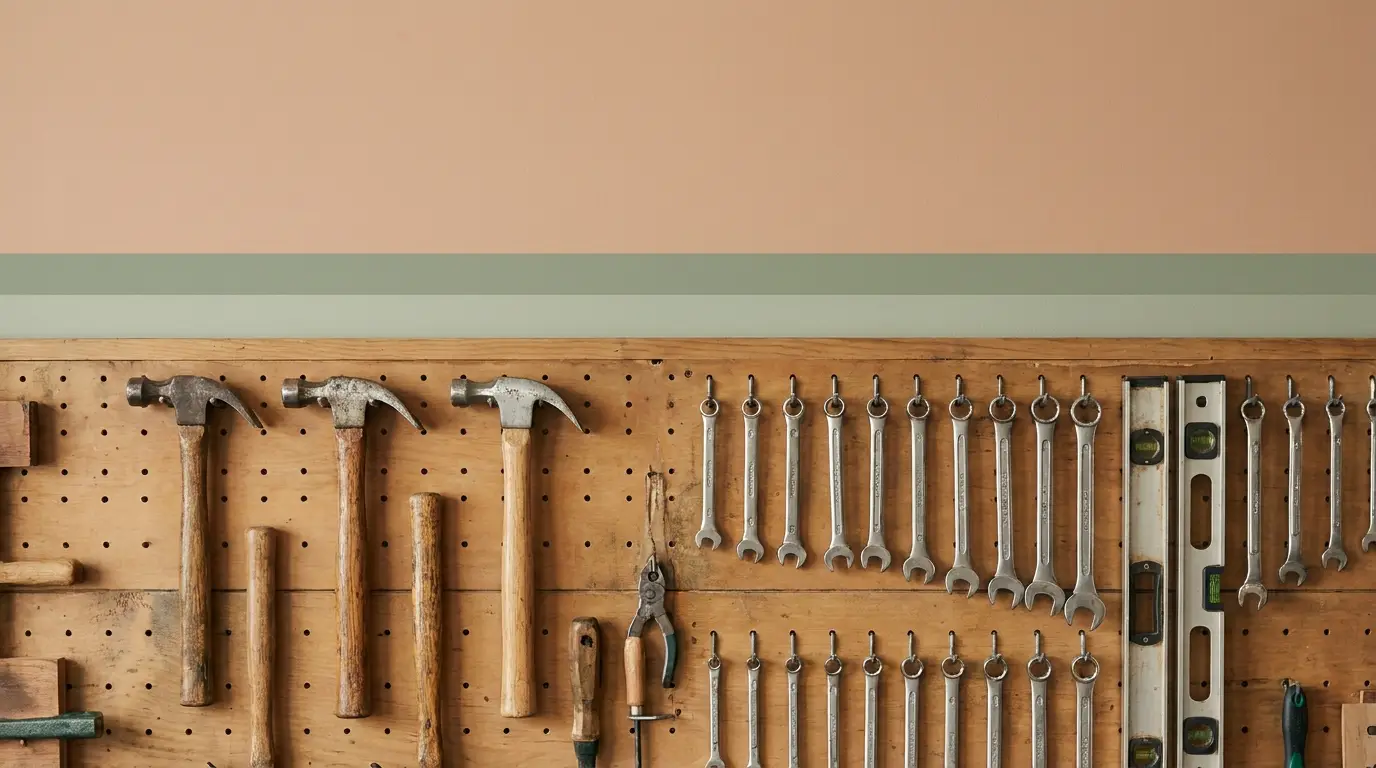
Wall hooks and pegboards are lifesavers for small spaces. Brands like Umbra and Command offer affordable options that are easy to install. If you're mounting heavier shelving into studs, a reliable cordless drill for DIY projects will make the job much faster and cleaner than borrowing a neighbor's corded model.
Lighting and Decor
Don't overlook lighting. A well-lit entryway makes it easier to find items quickly. Install LED overhead lights or sconces, and consider motion-sensor security lights above the exterior door for added convenience and safety when arriving after dark.
For decor, aim for functionality first. Add a mirror for last-minute checks before heading out, but avoid cluttering the space with too many decorations. Instead, focus on practical items that double as decor, like a wooden shoe rack or woven baskets.
What Most People Miss: Ventilation
Surprisingly, ventilation can make or break your entryway. Without proper airflow, damp shoes and jackets can lead to unpleasant smells. A small exhaust fan or even a portable dehumidifier like the Frigidaire FGAC5044W1 can help. If you're unsure which device actually fits your needs, our breakdown of air purifier vs dehumidifier explains the difference clearly. This detail is often overlooked but can significantly improve the space's usability.
Seasonal Adjustments
Your mudroom needs to adapt to the seasons. In winter, add boot trays to catch melting snow and slush. Come summer, swap out heavy coats for sun hats and beach towels. Modular storage systems, like those from IKEA or Wayfair, make it easy to reorganize without a complete overhaul.
Maintenance Tips
A functional mudroom isn't set-it-and-forget-it. Wipe down surfaces weekly to keep grime at bay. Shake out rugs and replace liners in boot trays every month. For deeper cleaning, use a vacuum with attachments to reach corners and under furniture.
If you're tackling home organization on a broader scale, check out our guide on best garage storage solutions. You might also explore a beginner's guide to home insulation for more ideas on making your home efficient and comfortable.
Done right, a mudroom or entryway can simplify your daily routine. The goal isn't perfection, it's practicality. So start small, and you'll see a big difference in how your home handles the hustle and bustle of everyday life. Now, go measure your space!
FAQ
How much space do I need for a functional mudroom?
A minimum of 5 feet by 5 feet gives you room for a bench, hooks, and a small cabinet. Tight entryways under 25 square feet can still work with vertical storage: a 72-inch IKEA HEMNES shelving unit, wall-mounted hooks at 60 inches height, and a slim 12-inch-deep shoe bench below. Hallways as narrow as 36 inches remain functional if you keep only one side of the wall for storage.
What flooring holds up best in a mudroom with heavy boot traffic?
Porcelain tile rated PEI 4 or higher is the most durable choice, handling daily grit, ice-melt chemicals, and wet boots without staining. Luxury vinyl plank (LVP) from brands like LifeProof or COREtec is a close second: it costs roughly $3-5 per square foot installed versus $8-15 for tile and tolerates the same moisture. Avoid laminate, which swells when wet and rarely lasts more than two seasons in a high-traffic entry.
How do I stop my mudroom from smelling like wet boots?
Wet boots and damp jackets trapped in an enclosed space are the primary cause. A Frigidaire 50-pint dehumidifier running at 45-50% relative humidity eliminates the moisture that feeds odor. Pair it with a small exhaust fan (at least 50 CFM) vented to the exterior. Cedar boot inserts like those from Woodlore absorb residual moisture inside shoes and cost under $15 a pair.
What's the cheapest modular storage system that can be reconfigured seasonally?
IKEA's KALLAX series starts at around $60 for a 4-cube unit and accepts the full range of IKEA inserts, baskets, and doors. Wayfair's Beachcrest or Gracie Oaks lines offer similar cube organizers for $80-130 with softer styling. Both can be wall-anchored with the included hardware and rearranged in under an hour. Avoid wire shelving systems for entryways: they snag fabric and collect dust faster than closed cubes.
How often should mudroom surfaces actually be cleaned?
High-contact surfaces like the bench top, hooks, and door handle need a quick wipe with an all-purpose cleaner every week. Boot trays should be emptied and rinsed every 2-3 weeks in winter when salt and slush build up. Floor grout lines in tile entries need a stiff brush and OxiClean solution monthly to prevent permanent grey staining. Rugs should go through a full wash cycle every 4-6 weeks, not just a shake outside.