Creating a home theater is exciting, but poor soundproofing can ruin the experience. Whether it's the booming bass disturbing the neighbors or outside noise disrupting your movie night, soundproofing is essential. The good news? You can handle it yourself without spending thousands on professional help. Here's how.
Understanding Soundproofing Basics
Soundproofing isn't just about blocking noise. It's about managing vibrations and preventing sound waves from traveling through walls, floors, and ceilings. Sound travels via air and solid surfaces, so your goal is to minimize both.
Start with the STC (Sound Transmission Class) rating. A standard wall has an STC of 35, meaning it blocks 35 decibels. To enjoy your home theater without disturbing others, aim for an STC of at least 50. For example, adding a second layer of drywall with Green Glue can boost your STC by 10 points.
Key materials include mass loaded vinyl (MLV), acoustic panels, and fiberglass insulation. MLV, priced around $2 per square foot, is a favorite among DIYers for its flexibility and effectiveness. Fiberglass insulation, like Owens Corning 703 (about $1 per square foot), is another solid choice.
Learn more about home insulation to better understand how it contributes to soundproofing.
Soundproofing Walls
Walls are the primary barrier for sound, and addressing them is the first step in your project. The most effective DIY method is adding layers.
- Seal gaps and cracks: Use acoustic caulk (approximately $12 per tube). Apply it around outlets, baseboards, and windows.
- Install MLV: Attach sheets to the existing drywall with nails or adhesive. This reduces airborne noise transmission.
- Add another drywall layer: Use 5/8-inch drywall, affixing it with Green Glue noiseproofing compound. A single tube of Green Glue costs $20 and covers around 20 square feet.
- Acoustic panels: For an aesthetic boost, install panels like the ATS Acoustic Panel ($60 each). These also improve sound clarity within the room.
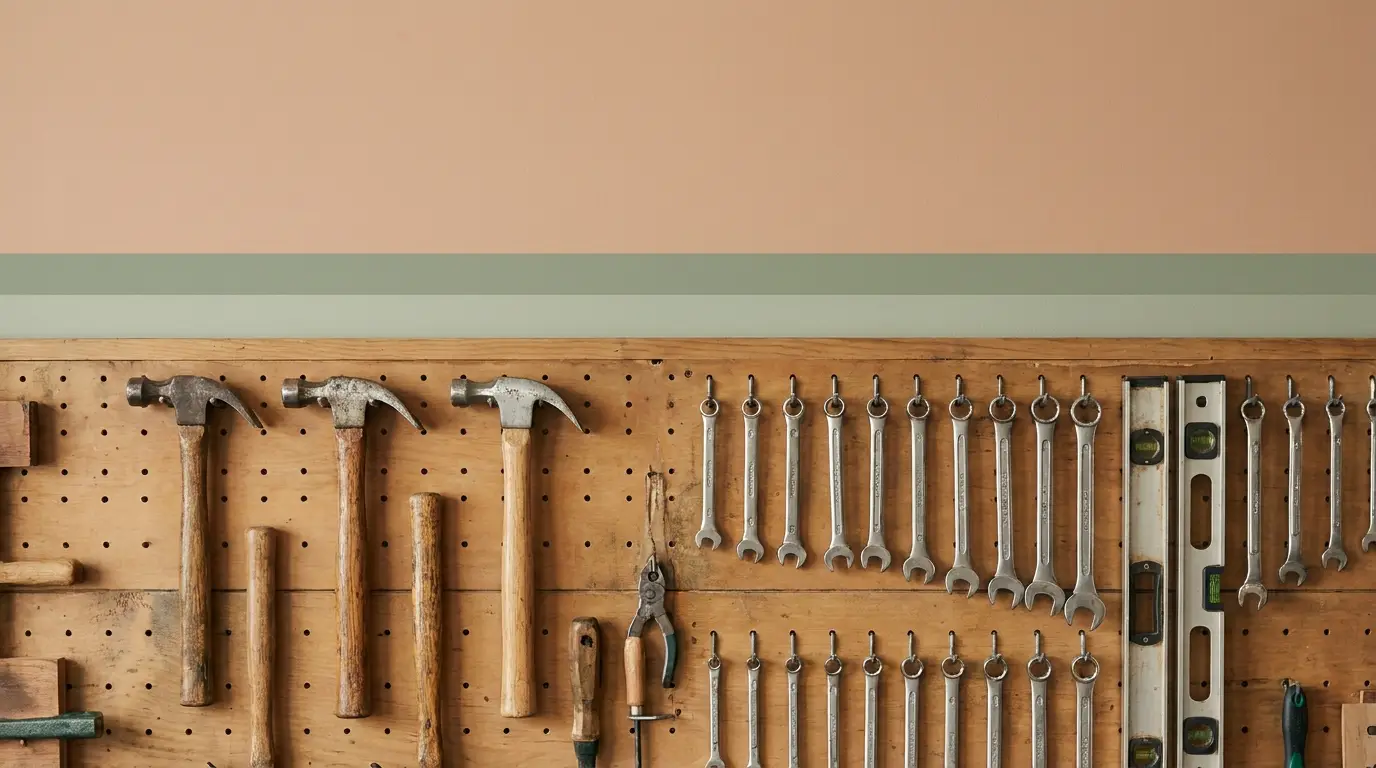
If you plan on hanging shelves or decorations on the walls, ensure you have the right tools. A cordless drill like the DeWalt DCD791D2 is ideal for drilling through thicker drywall layers.
Addressing the Floor and Ceiling
Floors and ceilings are often overlooked, but they can be major culprits in sound leakage. For floors, start with thick, dense rugs or carpets to absorb sound. Adding a rug pad underneath (around $50-$100) can further enhance noise reduction.
For ceilings, consider acoustic tiles. Armstrong ceiling tiles (starting at $1.50 per square foot) are popular for their effectiveness and ease of installation. If you don’t mind a little more work, a drop ceiling with fiberglass panels can block sound significantly. It may cost $2-$3 per square foot, but it’s worth the effort for superior performance.
When installing heavy materials, make sure your tools are up to the task. The Makita cordless impact wrench is a reliable choice for securing ceiling mounts and panels.
Windows and Doors
Windows and doors are often the weakest links in soundproofing. A single-pane window has an STC of around 27, while a double-pane can reach up to 48. Replacing windows is costly, but you can improve soundproofing with simpler solutions.
- Acoustic curtains: These can reduce noise by up to 25% and start at $40 per panel. Brands like Nicetown are widely recommended.
- Window inserts: Indow window inserts cost $150-$200 per window, but they’re incredibly effective for blocking noise.
- Weatherstripping: Seal gaps around doors and windows with adhesive weatherstrips. A roll costs under $15 and can cover several openings.
- Door sweeps: These are ideal for blocking gaps at the bottom of doors. A high-quality model like the M-D Building Products 68247 costs $20.
For doors, consider upgrading to a solid core door, which has an STC of 30-35, compared to a hollow core door’s STC of 20.
Acoustic Treatments for Better Sound Quality
While soundproofing keeps noise in or out, acoustic treatments improve audio quality inside your home theater. For example, placing bass traps in the corners can reduce low-frequency reverberations. Auralex bass traps, costing $80 per pair, are an excellent option.
Diffusers are another great tool. They scatter sound waves, enhancing clarity. Look for designs like the Acoustimac DMD Panel ($70 each), which balances sound beautifully.
Finally, consider the placement of your speakers. Wall-mounted speakers can vibrate and transfer sound to adjacent rooms. Floor-standing speakers, like the Klipsch RP-8000F, minimize vibrations and improve sound quality.
FAQ
Is soundproofing a home theater worth it?
Yes. Without soundproofing, you risk disturbing neighbors or household members. An effective setup costs $500-$2,000 for DIY, much less than professional installations.
What’s the difference between soundproofing and acoustic treatment?
Soundproofing blocks sound from entering or leaving a room. Acoustic treatment improves sound within the room, reducing echoes and enhancing audio clarity.
Can I soundproof a room without professional help?
Absolutely. DIY soundproofing methods, like adding MLV or acoustic panels, are effective and cost-efficient. Many homeowners do it themselves with basic tools.
How long does Green Glue take to cure?
Green Glue begins working immediately, but it takes 30 days to fully cure. It’s one of the most effective materials for reducing sound transmission.
Are acoustic curtains effective for soundproofing?
Yes, but they’re best for minor noise reduction. They work well for windows but won’t block as much sound as MLV or additional drywall layers.
What's the best budget-friendly soundproofing solution?
Weatherstripping and door sweeps are affordable and effective for sealing gaps. Combined, they cost under $50 and significantly reduce sound leakage.