Quick answer: Home improvement spending will reach an estimated $560 billion in 2026, driven by higher material costs and a focus on energy efficiency. Most homeowners (70%) plan to undertake at least one project, with kitchens and bathrooms remaining the top renovation areas. Expect average project costs to rise by 8-12% this year.
Homeowners are continuing to invest significantly in their properties, with market projections for 2026 showing steady growth. This year's trends reflect a shift towards sustainability and smart technology, alongside persistent demand for traditional upgrades like kitchen and bathroom renovations. Don't underestimate the impact of rising labor and material costs, though; they're pushing project budgets higher for everyone.
Key Spending Trends for 2026
Home improvement expenditures are poised to hit an estimated $560 billion across the United States in 2026. This represents a 7.5% increase from 2025 figures, largely influenced by inflation and a strong desire among homeowners to personalize their spaces. We're seeing a clear preference for projects that enhance both comfort and property value. Many people are opting for upgrades that also boost energy efficiency, aiming for long-term savings.
The average homeowner plans to spend approximately $13,500 on renovations this year. That's up from $12,300 in 2025. It's a noticeable jump. A significant portion of this spending (around 45%) is allocated to interior remodels, while exterior projects account for another 30%. The remaining 25% often goes toward system upgrades like HVAC or electrical work.
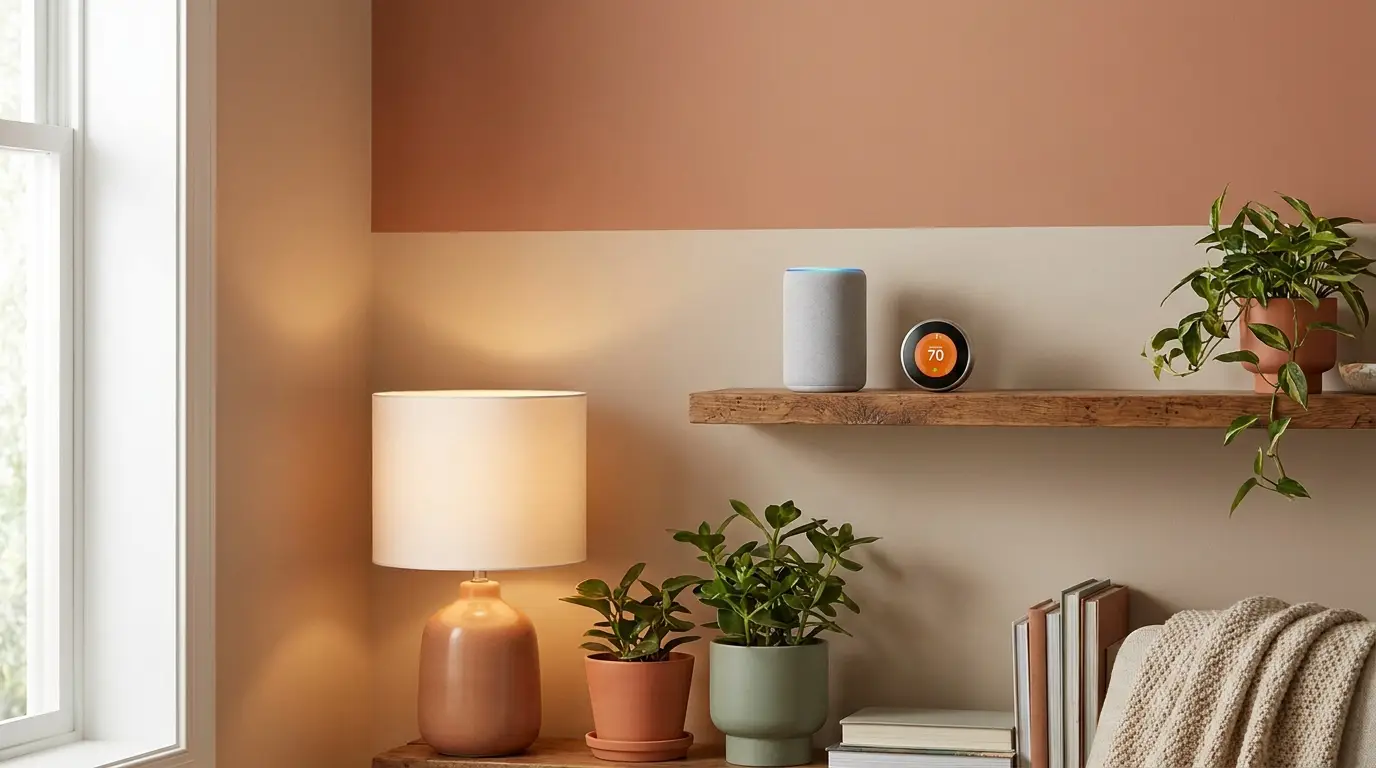
Surprisingly, what most reviews miss is the increased investment in smart home technology. Homeowners are installing smart thermostats, lighting systems, and security devices at a 20% higher rate than in previous years. This isn't just about convenience; it's about making homes more connected and efficient. You'll find that many of these devices offer energy savings of 10-15% annually.
| Category | Average Project Cost (2026) | % of Homeowners Planning Project | Primary Driver | | :------------------ | :-------------------------- | :------------------------------- | :------------------- | | Bathroom Remodel | $22,500 | 35% | Modernization | | Kitchen Remodel | $45,000 | 30% | Functionality, Value | | Exterior Painting | $4,800 | 28% | Curb Appeal | | Deck/Patio Addition | $18,000 | 20% | Outdoor Living | | Window Replacement | $12,000 | 18% | Energy Efficiency |
Popular Renovation Projects and ROI
Kitchen and bathroom remodels remain the undisputed champions of home improvement, consistently delivering strong returns. A minor kitchen remodel, costing around $28,000, can recoup about 81% of its value at resale. This often involves updating cabinet fronts, countertops, and appliances without changing the layout. You'll want to focus on durable, neutral materials for the best appeal.
Bathroom renovations, with an average cost of $22,500, offer a respectable 70% ROI. For a bathroom project, think about walk-in showers and dual vanities; they're popular features that attract buyers. Consider installing low-flow toilets and LED lighting to boost efficiency, too.
Exterior projects also provide excellent value. Replacing a garage door, for instance, costs approximately $1,200 but can return 93% of its value. This is a quick win. New siding, typically costing $19,000 for a medium-sized home, can bring back 75% of your investment. It also significantly improves curb appeal.
Energy-efficient upgrades are gaining traction, not just for savings but for resale. Installing new windows can reduce energy bills by 15-20% and recover about 65% of the initial $12,000 cost. Home insulation upgrades are another smart move. Better insulation can cut heating and cooling costs by 10-25%, and you'll find it makes your home much more comfortable year-round. Learn more about the benefits in our guide to a beginners guide to home insulation.
Material Costs and Labor Shortages
Material costs continue to be a significant factor in 2026. Lumber prices, though stabilized from their 2021 peaks, remain 20% higher than pre-pandemic levels. Steel and copper, essential for plumbing and electrical work, have seen a 10-15% increase over the past year. This directly impacts your budget. For example, a basic plumbing repair might now cost $150 instead of $120.
Labor shortages are another persistent issue. Skilled tradespeople, particularly electricians and plumbers, are in high demand. This drives up labor rates. You'll often find hourly rates for experienced contractors ranging from $75 to $120, depending on your region. This is a 5-10% increase from 2025. These shortages can also extend project timelines by several weeks.
Many homeowners are turning to DIY for smaller projects to offset these costs. About 60% of projects under $500 are now completed by homeowners themselves. However, for larger renovations exceeding $10,000, 85% of homeowners still prefer to hire professionals. It's a balance. For basic repairs, you might consider our guide on basic plumbing repairs every homeowner should know.
Financing Home Improvements
Most homeowners fund renovations through a combination of savings, credit, and loans. Around 40% use personal savings for projects under $5,000. For larger projects, home equity lines of credit (HELOCs) and home equity loans are popular choices. HELOCs typically offer variable interest rates, often starting around 8.5% APR in 2026. Home equity loans provide fixed rates, currently averaging 7.8% APR.
Cash-out refinances also remain an option, especially for homeowners with substantial equity. You'll want to compare interest rates carefully before committing to any financing. A small difference in APR can mean hundreds of dollars over the loan's life. Personal loans are another alternative, though they usually carry higher interest rates (9-15% APR) due to their unsecured nature.
Consider the potential ROI when deciding on financing. Projects with higher expected returns, like a kitchen remodel (81% ROI), make more sense to finance than purely cosmetic upgrades. Always calculate the total cost, including interest, before you sign anything. Don't overextend your budget.
FAQ
What's the average cost for a bathroom remodel in 2026?
A mid-range bathroom remodel generally costs between $20,000 and $25,000 in 2026. This includes new fixtures, flooring, and a vanity. High-end projects can easily exceed $50,000, often incorporating custom tile work and smart home features.
Which home improvement projects offer the best return on investment?
Minor kitchen remodels and exterior upgrades (like new siding or a garage door replacement) consistently show strong ROI, often recovering 70-85% of their cost at resale. Energy-efficient windows can also provide long-term savings and a 65% return.
Are homeowners spending more on DIY or professional projects?
Homeowners are balancing both. While 60% of projects under $500 are DIY, larger renovations, especially those over $10,000, are typically handled by professionals. There's a noticeable 15% increase in DIY spending for projects costing $100-$500.
How much are material costs expected to increase this year?
Material costs are projected to rise by 8-12% on average in 2026. Lumber prices are still 20% above pre-pandemic levels. Steel and copper have seen a 10-15% increase.
What percentage of homeowners plan a renovation in 2026?
About 70% of homeowners plan to undertake at least one home improvement project in 2026. This indicates a strong and sustained demand for property upgrades and maintenance.