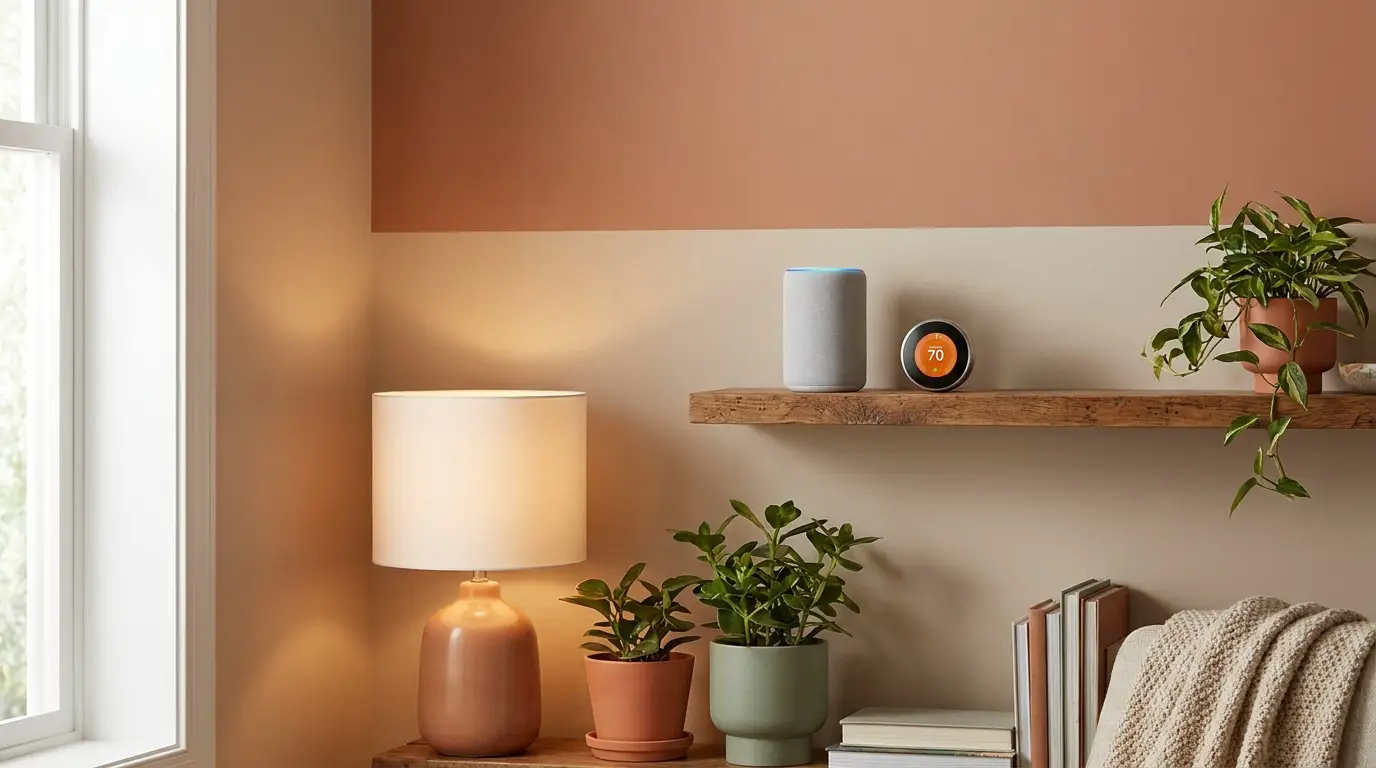
Keeping your indoor plants healthy requires more than just watering them sporadically. Smart garden sensors have emerged as an essential tool for monitoring and maintaining the ideal environment for your plants. They track factors like soil moisture, sunlight, and temperature, automatically helping you make adjustments to ensure your greenery thrives. Here's a look at the top smart garden sensors available today and how they can shake up indoor gardening.
What Are Smart Garden Sensors?
Smart garden sensors are small devices designed to monitor the conditions around your plants. They measure key metrics like soil moisture, sunlight exposure, temperature, and sometimes even fertilizer levels. These devices often sync with smartphone apps, giving you real-time updates and recommendations tailored to your plants' needs.
Take the Xiaomi Mi Flora sensor, for example. It connects via Bluetooth, offering precise data on soil moisture and light intensity. If you’re growing light-sensitive plants like fiddle-leaf figs, the Xiaomi Mi Flora can save you from overwatering or exposing your plants to excessive sunlight.
Top Smart Garden Sensors Compared
Choosing the right sensor depends on the features you need and your budget. Below is a comparison of the top options:
| Sensor Name | Key Features | Price | Compatibility | App Integration | |-----------------------|-------------------------------|-------------|------------------------|-----------------------| | Xiaomi Mi Flora | Moisture, light, temperature | $29.99 | Universal | Mi Home App | | Parrot Flower Power | Fertilizer, moisture, sunlight| $59.99 | Limited plant database | Parrot App | | Ecowitt WH5360B | Soil moisture, temperature | $39.99 | Indoor & outdoor | Ecowitt Gateway | | Govee Bluetooth Sensor| Humidity, temperature | $33.99 | Broad compatibility | Govee Home App | | PlantLink Smart Sensor| Watering alerts, plant-specific | $49.99 | 50+ plant types | PlantLink App |
Each sensor comes with its unique strengths. If you're on a budget, Xiaomi Mi Flora offers excellent value for basic monitoring. For those looking for more advanced features like fertilizer tracking, the Parrot Flower Power stands out.
How to Choose the Right Smart Sensor for Your Plants
Not all sensors are created equal. Some focus on soil moisture, while others provide detailed sunlight and temperature data. Here are factors to consider:
-
Compatibility: Make sure the sensor supports the types of plants you have. For instance, PlantLink is ideal for users with a mix of plant species because it offers tailored watering recommendations for over 50 plants.
-
Connectivity: Devices like the Govee Bluetooth Sensor offer strong connectivity and sync smoothly with your smartphone. If you have a larger space, consider a sensor with Wi-Fi capability like the Ecowitt WH5360B.
-
Battery Life: Many sensors, like Xiaomi Mi Flora, have a battery life of up to 12 months, reducing the hassle of frequent replacements.
-
Advanced Features: Features like fertilizer level tracking (available on Parrot Flower Power) can be valuable for plants that require specific nutrients.
Looking for tools to manage outdoor landscaping? Check out our guide on the best cordless hedge trimmers.
Are Smart Garden Sensors Worth It?
Yes, they’re worth every penny if you’re serious about creating an best environment for your indoor plants. Consider this: a sensor like Ecowitt WH5360B can save you from overwatering, which is a common cause of root rot. Overwatering accounts for nearly 80% of houseplant deaths, according to the National Gardening Association.
Another non-obvious benefit is that these sensors can help you understand seasonal changes. For example, during winter months, reduced sunlight can negatively impact your plants. A smart sensor alerts you to these changes, prompting you to move your plants closer to windows or invest in grow lights.
If you're already using smart tools for outdoor gardening, such as the best cordless string trimmers, adding indoor sensors is a logical next step.
FAQ
How accurate are smart garden sensors?
High-quality sensors like the Xiaomi Mi Flora and Ecowitt WH5360B have accuracy rates of over 90% for moisture and temperature readings. Regular calibration can further improve performance.
Can smart garden sensors help with pest control?
While they don’t directly detect pests, sensors like PlantLink can identify sudden changes in soil moisture or plant health that might indicate infestation. Pair them with pest-monitoring tools for better results.
Are there subscription fees for smart garden apps?
Most free apps (like Mi Home for Xiaomi sensors) offer basic features. Advanced apps, such as PlantLink, sometimes charge $1-$5 monthly for premium plant care recommendations.
What’s the average lifespan of a smart garden sensor?
Top models like the Parrot Flower Power last around 2-3 years with proper care and battery replacements. Ensure you use high-quality batteries to maximize lifespan.
Do I need multiple sensors for a large indoor garden?
Yes, for larger gardens, you’ll need multiple sensors to cover all plants effectively. For example, use one Xiaomi Mi Flora per pot or one Ecowitt WH5360B per garden section.