Electrical DIY projects can save you money, but they also carry significant risks. An estimated 400 people die each year from electrocution, with many incidents occurring in residential settings. Don't become a statistic. Taking proper precautions isn't just a suggestion, it's a requirement for your safety and the integrity of your home's electrical system. This guide focuses on seven essential safety tips that can prevent accidents and ensure your projects are completed without incident.
Quick answer: Always turn off power at the circuit breaker and verify it's off with a non-contact voltage tester before touching any wires. Use only insulated tools, wear appropriate personal protective equipment (PPE), and understand the specific electrical codes (like the NEC) for your region to prevent shocks, fires, and damage.
Always Kill the Power First
Before you touch any electrical component, you must disconnect the power. This isn't optional. Find the correct circuit breaker in your electrical panel, usually a gray metal box in your garage or basement. Flip the breaker to the "OFF" position. It's that simple. But don't stop there. An extra step is critical.
You'll need a non-contact voltage tester, which costs around $20 to $40 at hardware stores like Home Depot. Brands like Klein Tools or Fluke offer reliable models. Place the tester near the wires or outlet you plan to work on. If it lights up or beeps, there's still power. You'll have to investigate further, perhaps checking other breakers or even the main disconnect if you're uncertain. Lockout/tagout devices, costing about $15, can also prevent someone from accidentally re-energizing the circuit while you're working. Failing to de-energize circuits is a leading cause of electrical injuries in DIY scenarios.
Use the Right Tools and Personal Protective Equipment
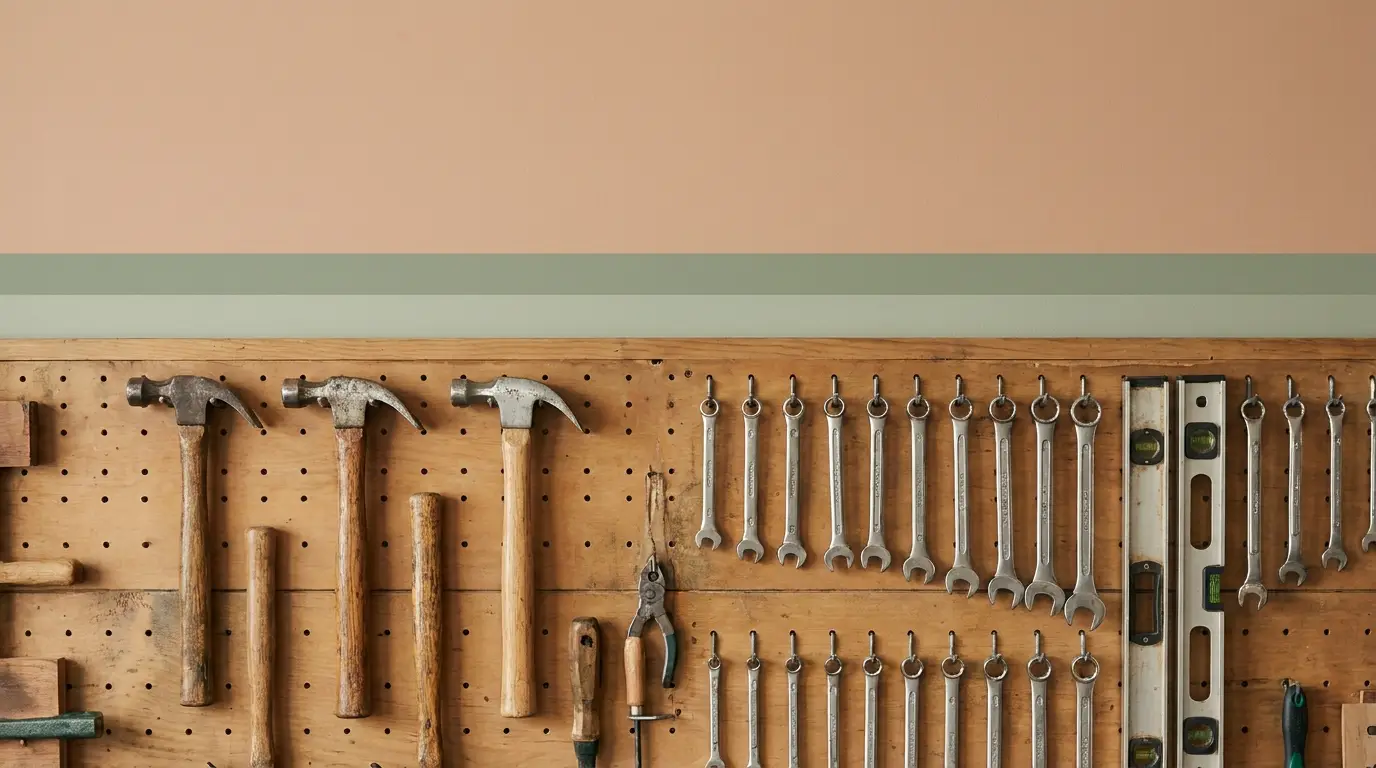
Working with electricity demands specific tools designed for the job. Regular pliers or screwdrivers won't protect you. You'll need tools rated for electrical work, meaning they have insulated handles capable of withstanding at least 1,000 volts. Look for the "1000V" rating on the tool itself. Brands such as Klein Tools, Knipex, and Wiha are industry standards. A basic insulated screwdriver set costs about $30 to $50.
Beyond tools, your personal protective equipment (PPE) matters. Safety glasses protect your eyes from sparks or debris. Heavy-duty work gloves, though not always insulated for high voltage, can provide a layer of protection against minor shocks and cuts. Don't forget proper footwear. Rubber-soled shoes offer some insulation from ground faults. Avoid working in damp conditions or while standing in water, as this significantly increases shock risk. Even a small amount of moisture can conduct electricity, making even minor tasks incredibly dangerous. Consider reading our guide on basic electrical wiring for more tool recommendations.
Understand Your Home's Electrical System
Knowing how your home's electrical system works helps prevent mistakes. Your house likely uses 120-volt circuits for most outlets and lighting, and 240-volt circuits for large appliances like electric ranges or dryers. The National Electrical Code (NEC) sets the standards for safe electrical installation in the United States. While you don't need to memorize the entire code, understanding basic concepts like wire gauges, circuit capacities, and proper grounding is essential.
For example, a standard 15-amp circuit typically uses 14-gauge wire and can handle about 1,800 watts. A 20-amp circuit uses 12-gauge wire and handles up to 2,400 watts. Overloading a circuit can cause wires to overheat, leading to fire. Electrical system failures account for 13% of all home fires. Always ensure your replacement components match the existing circuit's ratings. If you're unsure, consult a licensed electrician or refer to local building codes.
Avoid Overloading Circuits and Extension Cords
Circuit overloading is a silent hazard. Plugging too many high-wattage appliances into a single outlet or circuit can draw more current than the wiring can safely handle. This causes wires to heat up, potentially melting insulation and sparking fires. Standard wall outlets are rated for 15 amps. You can check the current draw of your appliances on their labels; for instance, a hair dryer might pull 1,500 watts, which is 12.5 amps at 120 volts.
Extension cords are for temporary use only. They're not designed as permanent wiring solutions. Never run extension cords under rugs, through walls, or across doorways where they can be damaged or become tripping hazards. Always match the extension cord's gauge to the appliance's power requirements. A thin, light-duty cord can overheat if used with a heavy-duty appliance like a space heater or power saw, which often draw 10-15 amps. If you need more outlets, consider installing new, permanent ones.
Proper Grounding and Wiring Practices
Grounding provides a safe path for electricity to flow in case of a fault, preventing shocks. Most modern homes have grounded outlets with three holes. The third, round hole connects to the ground wire. When replacing outlets or switches, always ensure the ground wire (usually bare copper or green insulated) is correctly connected to the device's green screw. Improper grounding can leave you vulnerable to electric shock if a fault occurs.
When making wire connections, ensure they're tight and secure. Loose connections generate heat, which can lead to fire. Use wire nuts of the appropriate size for the number and gauge of wires you're joining. Twist the wires together clockwise before applying the wire nut for a secure fit. Always follow the color coding: black or red for "hot" (live) wires, white for "neutral," and bare copper or green for "ground." A report highlighted loose wiring as a factor in 20% of residential electrical fires. Don't mix colors or guess.
Know When to Call a Professional
Some electrical tasks are simply beyond the scope of a typical DIYer. Installing a new circuit, upgrading your electrical panel, or troubleshooting persistent electrical issues often requires a licensed electrician. Professionals have the training, specialized tools, and insurance to handle complex jobs safely and to code. The cost for an electrician varies, but you'll usually pay $75 to $150 per hour. A small panel upgrade can cost $1,200 to $2,500.
If you encounter sparking, burning smells, frequent breaker trips, or warm outlets, stop immediately. These are signs of serious electrical problems. Don't attempt to fix them yourself. These issues can quickly escalate into a house fire or cause severe injury. Your safety and your family's safety are worth the investment in professional help.
FAQ
What's the most common DIY electrical mistake?
The most common mistake isn't confirming power is off. Many DIYers trip a breaker but fail to test the circuit with a voltage tester, leading to accidental shocks. Always double-check, even on small tasks. This simple step can prevent 80% of accidental shocks during electrical work.
Can I use regular pliers for electrical work?
No, you shouldn't use regular pliers. Standard pliers lack insulated handles, meaning they don't protect you from electric shock. You'll need tools rated for at least 1,000 volts, like those from Klein Tools or Knipex. These insulated tools typically cost $20-40 per piece.
How do I identify a live wire?
You identify a live wire using a non-contact voltage tester. Hold the tester near the wire; if it beeps or lights up, the wire is live. Hot wires are typically black or red, but always test before touching. A tester costs about $25 at most hardware stores.
What's the risk of working on a damp floor?
Working on a damp floor significantly increases the risk of electric shock. Water conducts electricity, so if you accidentally touch a live wire while standing on a wet surface, electricity can flow through your body to the ground. This can cause severe injury or death. Avoid wet conditions.