📋 This guide is for educational purposes only and does not constitute medical or professional advice. Consult a licensed HVAC technician or healthcare provider for your specific needs before installing a whole house humidifier.
Dry air can wreak havoc on your home and health, causing cracked wood furniture, static electricity, dry skin, and irritated sinuses. A whole house humidifier can mitigate these problems, especially during winter or in arid climates. While hiring a professional is recommended in some cases, installing a unit yourself is possible if you're comfortable with basic tools and HVAC systems.
What Is a Whole House Humidifier?
These systems are typically installed directly into your HVAC system. Unlike portable units, they distribute moisture throughout your entire home. Popular models include the AprilAire 500M ($180 to $250) and Honeywell HE360 ($200 to $300). They're designed to connect to your furnace and water supply, ensuring a consistent humidity level.
A good target indoor humidity level is between 30% and 50%. Anything lower can dry out your skin and wood surfaces, while higher levels may lead to mold growth. Pairing your humidifier with smart thermostats for multiple zones can automate both temperature and humidity control from a single app.
Tools and Materials You'll Need
Before starting, gather these essentials:
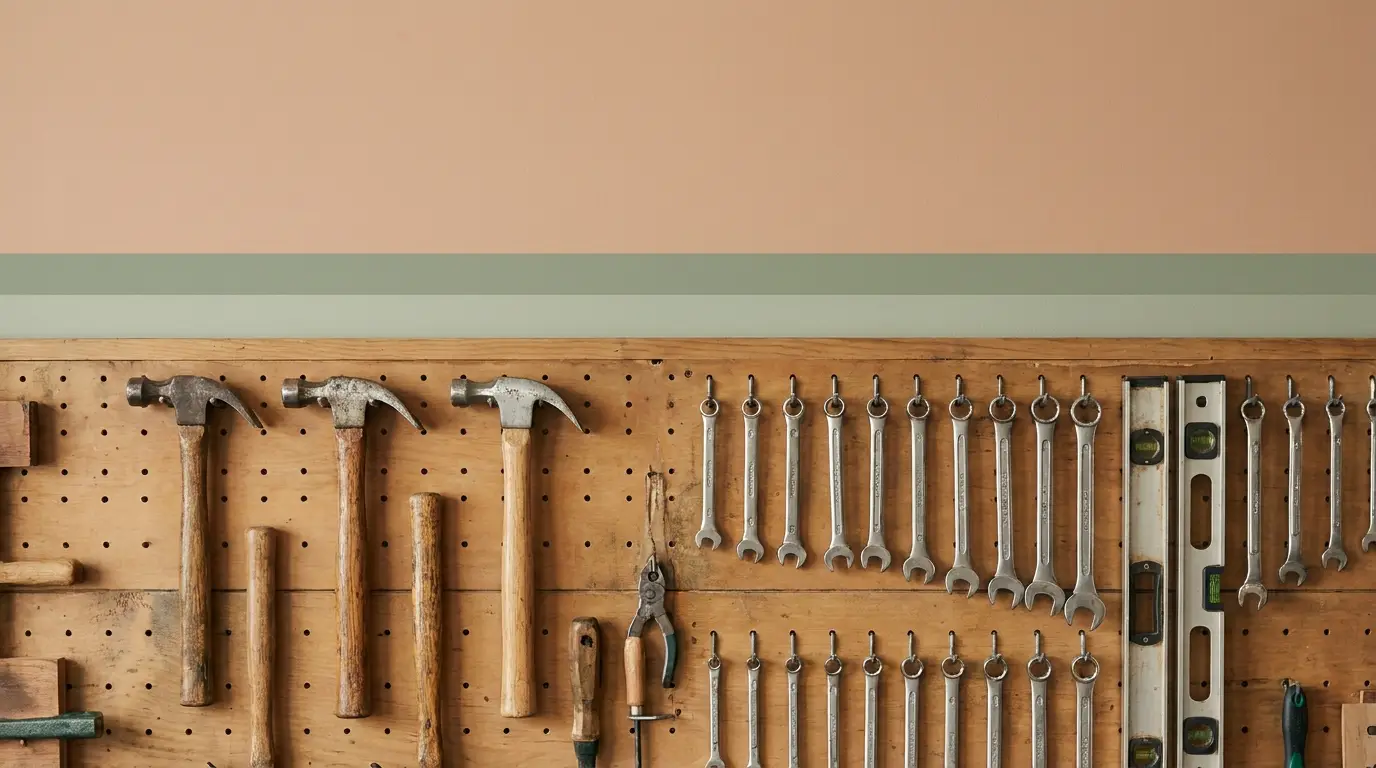
- Drill and screwdriver set
- Tin snips
- Level
- Humidifier unit
- Water supply line kit
- Flexible duct
- Sheet metal screws
- PVC or vinyl tubing for drainage
- Electrical wire and wire connectors
Step-by-Step Installation Guide
Step 1: Choose the right location. Select a spot on your furnace's supply plenum. Most units require mounting on the warm air side, but check your model's instructions.
Step 2: Cut the opening. Using a template (provided with your humidifier), mark the area where the unit will be installed. Cut the opening with tin snips. Wear gloves to avoid sharp edges.
Step 3: Mount the humidifier. Attach the unit to the plenum using sheet metal screws. Ensure it's level to prevent water leakage.
Step 4: Connect the water supply. Use the provided water line kit to link the unit to your home's plumbing. If you're connecting to a copper pipe, you'll likely need a saddle valve.
Step 5: Set up the drainage system. Run a PVC or vinyl tube from the humidifier to a nearby drain to manage excess water. Avoid sharp bends in the tubing to ensure proper flow.
Step 6: Wire the unit. Follow the wiring instructions provided by the manufacturer. Connect the humidifier to your HVAC system so it activates along with the furnace. If you're new to low-voltage circuits, our basic electrical wiring guide covers wire gauges, connectors, and safety before you start.
Step 7: Test the system. Turn on your furnace and run the humidifier. Check for leaks in the water supply and drainage systems, and ensure the unit is functioning properly.
Maintenance and Troubleshooting
Whole house humidifiers typically require annual maintenance. Replace the filter pad (also called a water panel) every 6 to 12 months. Clean mineral deposits that can clog the system, especially if your home has hard water. A home water filtration system can dramatically cut mineral buildup and extend your filter panel's life from one season to two.
If your humidifier doesn't seem to work, check the wiring connections and water supply. In most cases, issues stem from improper installation or blocked drainage.
Counter-Intuitive Insight: Over-Humidification Can Cause Damage
While adding moisture is the goal, too much can lead to problems. Wood floors can warp, and condensation on windows may signal excessive humidity. Installing a hygrometer (around $10 to $20 at stores like Home Depot) can help you monitor levels accurately.
Related Articles
For more insights, read Air Purifier vs. Dehumidifier for tips on choosing the right air quality solution, or check out A Beginner's Guide to Home Insulation to maximize energy efficiency alongside your new humidifier.
FAQ
How often should I replace the water panel in an AprilAire 500M humidifier?
Replace it once per heating season, typically every 8 to 12 months. AprilAire's model 35 water panel costs about $16 on Amazon and fits the 500M directly. In hard-water areas above 7 grains per gallon, swap it in September before the heating season starts. A white mineral crust covering more than half the panel or noticeably reduced humidity output are the clearest signs it's overdue.
What humidity level should I set a whole house humidifier to in winter?
Target 30% to 40% relative humidity indoors. At outdoor temperatures below 20°F, drop the setting to 25% to 30% to prevent condensation forming on windows and inside wall cavities. Both the Honeywell HE360 and AprilAire 500M include manual humidistats on the unit itself. Cross-check the reading against a $15 AcuRite hygrometer placed at chest height in your main living area.
Why is my whole house humidifier running but not raising the humidity level?
The most common cause is a clogged or exhausted water panel; replace it if it has been more than 10 months. Also check the bypass damper (it must be in the open position during winter), confirm the saddle valve is turned fully open, and verify the humidistat is set higher than your current indoor humidity reading. If the unit still underperforms after those steps, the internal distributor tube is likely scaled with minerals and needs soaking in white vinegar.
How much does a whole house humidifier cost to run per month?
A bypass model like the AprilAire 500M uses no electricity on its own since it runs off the furnace fan. Water consumption averages 1.5 to 3 gallons per hour of furnace run time, adding roughly $3 to $8 to your monthly water bill. Fan-powered models like the Honeywell HE360 draw about 25 to 30 watts, which adds another $1 to $2 per month in electricity at average U.S. rates of around $0.13 per kWh.
Can a whole house humidifier cause mold if the humidity is set too high?
Yes. Sustained indoor humidity above 50% creates conditions where mold grows on window frames, in wall cavities, and behind baseboards within weeks. The risk is highest in basements and exterior walls with poor insulation. Keep a hygrometer running and reduce the humidistat setting if any window in the house shows persistent condensation. Checking your home's insulation quality, as covered in A Beginner's Guide to Home Insulation, also reduces the risk of moisture problems inside walls.
Sources
Last reviewed: 2026-06-17 by Editorial Team