Plumbing emergencies strike fast. A burst pipe can dump hundreds of gallons of water into your home in minutes, causing thousands of dollars in damage. You'll want to avoid this scenario. Most homeowners face issues like clogged drains, leaky faucets, or even a backed-up toilet. Proactive measures can cut your risk by 80%.
Quick answer: Prevent plumbing emergencies by regularly inspecting pipes for leaks, avoiding harsh chemical drain cleaners, and maintaining proper water pressure. Insulate exposed pipes before winter, learn to shut off your main water supply, and schedule annual water heater maintenance. These steps can save you significant money and stress.
Understanding Common Threats to Your Plumbing
Your home's plumbing system works hard daily, but it's not invincible. Several common issues can quickly escalate into costly emergencies. Knowing these threats helps you prepare. For instance, cold weather is a major culprit. When temperatures drop below 20°F, uninsulated pipes, especially those in exterior walls or unheated basements, are at high risk of freezing and bursting.
Another frequent problem is clogged drains. You'll find these often result from hair, grease, and food particles building up over time. These aren't just an annoyance; they can lead to slow drainage, foul odors, and even back-ups that damage fixtures and flooring. Many homeowners overlook regular drain maintenance, thinking a slow drain isn't a big deal until it becomes a complete blockage.
High water pressure also causes unseen damage. While good pressure feels nice in the shower, anything consistently above 80 psi puts undue stress on pipes, joints, and appliance connections. This constant strain can weaken materials, leading to premature leaks and burst pipes. You'll often see this problem in older homes or areas with municipal water systems supplying high pressure. Consider installing a pressure reducing valve (PRV) if your home's pressure tests high. This simple device protects your entire system.
Inspecting Your System for Early Warning Signs
Early detection is your best defense against major plumbing disasters. You don't need to be a professional plumber to spot many common issues. Start by simply looking and listening.
Regularly check all visible pipes (under sinks, in basements, utility rooms) for any signs of corrosion, drips, or water stains. Even a tiny drip can indicate a larger problem developing. Feel around pipe joints; any dampness points to a leak. Pay attention to your water heater. You're looking for rust spots, puddles around the base, or unusual noises, which often signal sediment buildup or a failing tank.
Listen carefully. Gurgling sounds from drains or toilets, especially after flushing, suggest a partial blockage or venting issue. Hammering noises when you turn off a faucet (water hammer) mean unsecured pipes or excessive water pressure. Addressing these sounds early can prevent more severe damage. Don't ignore them.
Preventing Clogs and Leaks
Clogged drains are among the most common plumbing headaches. You can prevent most of them with smart habits and simple tools. Don't pour grease down the kitchen sink. Grease solidifies as it cools, sticking to pipe walls and catching other debris. Instead, pour cooled grease into an old can or jar and dispose of it in the trash.
Hair catchers are a big shift for shower drains. These inexpensive devices, often costing under $10, effectively trap hair before it enters your pipes. You'll find they're easy to clean and prevent many blockages. For sinks, install drain screens. They keep larger food particles from washing down, reducing the chance of buildup. For more advice on sealing, check out our guide on a beginner's guide to caulking and sealing at home.
Maintaining Your Water Heater and Pipes
Your water heater works constantly, heating water for showers, dishes, and laundry. Regular maintenance is key to its longevity and preventing sudden failures. Flush your water heater annually. This simple task removes sediment that builds up at the bottom of the tank, which can reduce efficiency and cause corrosion. You'll drain about 5 gallons of water to clear most sediment.
Pipe insulation is a must in colder climates. Exposed pipes in unheated areas (basements, crawl spaces, garages) need protection. Foam pipe insulation sleeves cost about $2-$3 per 6-foot section. You'll want to install these before winter hits. This small investment prevents pipes from freezing and potentially bursting, a repair that often runs $500-$1,500.
Check your home's water pressure regularly. You can buy a water pressure gauge at any hardware store for about $15-$25. Attach it to an outdoor spigot. If your pressure consistently reads above 80 psi, consider installing a pressure reducing valve (PRV). This device helps regulate the incoming water pressure, protecting your entire plumbing system from stress. For more foundational knowledge, see our article on basic plumbing repairs every homeowner should know.
Essential Tools and Emergency Preparedness
Even with the best prevention, emergencies can still happen. Being prepared means knowing how to react quickly. You'll need a few essential tools on hand.
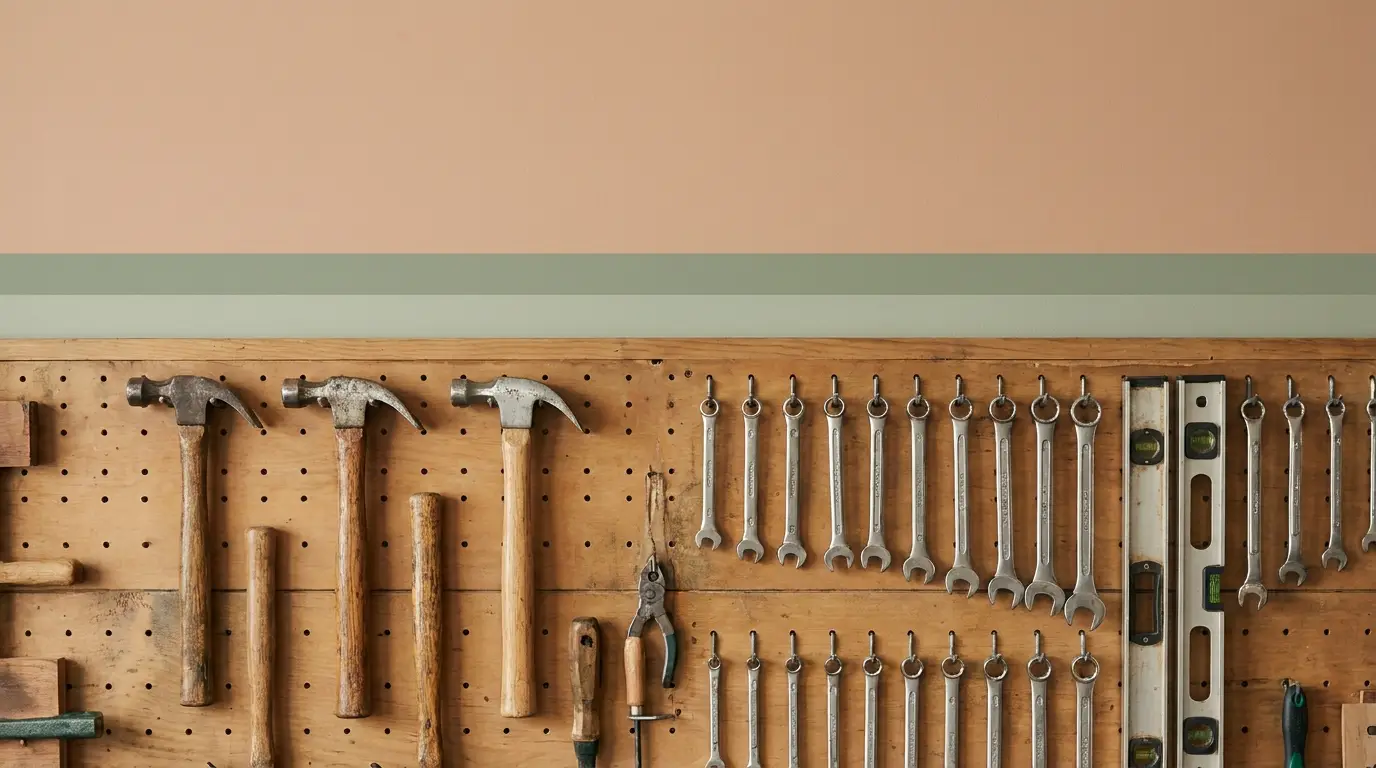
A good adjustable wrench, a plunger (both cup and flange types are useful), and a bucket are fundamental. A shop vac can also be invaluable for water cleanup. You should also know where your main water shut-off valve is located. This valve controls the water supply to your entire home. In an emergency, like a burst pipe, shutting off this valve immediately can save thousands in water damage. Practice turning it off and on once a year to ensure it isn't seized.
| Tool | Typical Cost | Primary Use | | :------------------- | :------------- | :--------------------------------------------- | | Adjustable Wrench | $15-$30 | Tightening/loosening pipe fittings, nuts | | Plunger (Cup & Flange) | $10-$25 | Clearing minor toilet and sink clogs | | Drain Snake (Hand) | $20-$50 | Retrieving deeper clogs in drains | | Bucket (5-gallon) | $5-$10 | Containing leaks, general cleanup | | Water Shut-off Key | $10-$20 | Turning off main outdoor water valve | | Pipe Insulation | $2-$3/foot | Protecting pipes from freezing |
You'll also want to keep a list of emergency contacts, including a trusted plumber, readily available. Don't wait until water is gushing to search for a professional. A quick response can minimize damage and repair costs. Some plumbers offer 24/7 emergency services.
When to Call a Pro
While many minor plumbing issues are DIY-friendly, some problems definitely require a professional. Don't hesitate to call one when facing complex repairs.
If you've a burst pipe, especially one that's hard to access, call a plumber immediately after shutting off your main water supply. These repairs often need specialized tools and expertise to ensure proper sealing and prevent future leaks. Similarly, if you experience a sewer line backup, where multiple drains are affected and there's a foul odor, it's a job for the pros. This issue can indicate a serious blockage or damaged main line, often requiring camera inspections and heavy equipment.
Persistent low water pressure throughout your home, despite checking individual fixtures, also warrants professional attention. This could signal a major leak in your main supply line or a malfunctioning pressure regulator. A plumber can diagnose the cause accurately. When you're dealing with anything involving gas lines (like a gas water heater), always call a licensed professional. Gas leaks are extremely dangerous. A typical professional visit for a complex diagnostic can run $150-$300 before any repairs.
FAQ
How often should I inspect my plumbing for potential issues?
You should perform a basic visual inspection of exposed pipes, faucets, and drains every 3-6 months. Pay attention to any discoloration, drips, or unusual noises. A professional inspection every 2-3 years can identify hidden problems before they worsen. This can prevent costly emergencies down the line.
What's the typical cost of emergency plumbing repairs?
The cost varies significantly by issue. A simple clogged drain might run $150-$300, while a burst pipe could easily cost $500-$1,500, especially if it involves drywall repair. Major sewer line issues can exceed $5,000. It's smart to have an emergency fund of at least $1,000 for these unexpected repairs.
Can I use chemical drain cleaners for persistent clogs?
You shouldn't use harsh chemical drain cleaners. While they might offer a temporary fix, they often damage pipes, especially older ones, and can harm your septic system. These chemicals can corrode PVC and weaken metal pipes over time. Instead, try a drain snake or a mixture of baking soda and vinegar for minor clogs.