A dripping faucet is more than just an annoyance, it’s a waste of water and money. A single leaky faucet can waste upwards of 3,000 gallons of water per year, which adds significant costs to your utility bill. The good news is that most leaky faucets are straightforward to fix, often requiring just a few basic tools and inexpensive replacement parts. Before you call a plumber, you can likely tackle this common household repair yourself, similar to fixing other home issues like best-outdoor-security-lights-motion-sensor or best-smart-home-security-systems-for-renters.
The first step in any faucet repair is to identify the type of faucet you have. This will guide you on the specific parts and procedures needed. The four main types are compression, cartridge, ceramic disc, and ball faucets. Each has its own set of components that can fail, but the underlying principle of replacing worn seals or cartridges remains consistent. Understanding the basics of basic-electrical-wiring can also be helpful in various home repairs.
Essential Tools for Faucet Repair
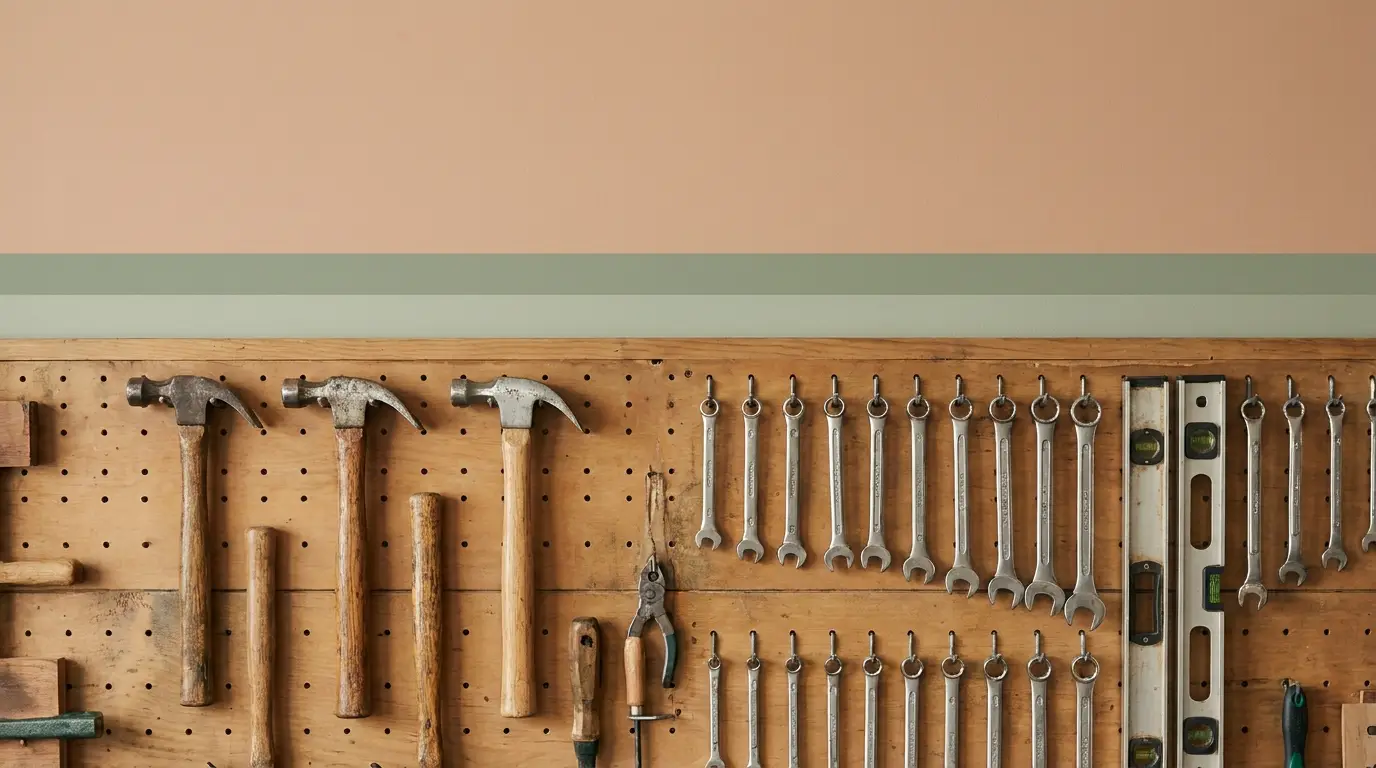
You don't need a specialized toolkit to fix a leaky faucet, but having these items on hand will make the job much smoother:
- Adjustable Wrench: For loosening and tightening nuts.
- Screwdrivers: Philips and flathead, for removing handle screws.
- Pliers: Especially needle-nose pliers for manipulating small parts.
- Utility Knife or Small Flathead Screwdriver: For prying off decorative caps.
- Replacement Parts: O-rings, washers, cartridges, or ceramic discs specific to your faucet model. It's often helpful to take the old part to the hardware store for an exact match.
- Plumber's Grease (Silicone-based): To lubricate new O-rings and seals.
- Rag or Towel: To catch drips and protect surfaces.
- Small Wire Brush or Old Toothbrush: For cleaning mineral deposits.
Before you begin any work, always turn off the water supply to the faucet. Look for the shut-off valves under the sink. If you can't find them, you'll need to turn off the main water supply to your house. Once the water is off, open the faucet to drain any remaining water from the lines. For larger projects, consider investing in best-portable-generators-for-home-backup to ensure you have power.
Fixing Common Faucet Types
Compression Faucets
These are older, two-handle faucets (one for hot, one for cold). They leak because the rubber washer at the base of the stem wears out.
- Remove Decorative Caps and Handle Screws: Use a utility knife or small flathead screwdriver to pop off any decorative caps, then unscrew the handle screws.
- Remove Handles: Lift the handles off.
- Unscrew Packing Nut: Using an adjustable wrench, loosen the packing nut at the base of the stem.
- Remove Stem Assembly: Carefully pull out the stem assembly. You'll see the rubber washer at the bottom.
- Replace Washer and O-ring: Remove the old washer and replace it with a new one. Check the O-ring around the stem, and replace it if it looks worn. Apply a thin coat of plumber's grease to new O-rings.
- Reassemble: Put everything back together in reverse order. Don't overtighten, as this can damage new washers.
Cartridge Faucets
Common in single-handle designs, these faucets use a cartridge to control water flow and temperature. If your faucet leaks from the spout even when turned off, a faulty cartridge is the likely culprit.
- Remove Handle: Pry off the decorative cap (if any), unscrew the handle screw, and pull the handle off.
- Remove Retaining Nut/Clip: Depending on your model, there might be a retaining nut or a small clip holding the cartridge in place. Remove it.
- Pull Out Cartridge: Use pliers to gently pull the old cartridge straight up and out. Note its orientation; some cartridges are keyed and must be inserted in a specific direction.
- Clean and Replace: Clean out any debris from the faucet body. Insert the new cartridge, ensuring it's properly seated.
- Reassemble: Replace the retaining nut/clip and handle.
Pro Tip: When replacing a cartridge, bring the old one to the hardware store. There are many variations, and an exact match is essential for proper function.
Ceramic Disc Faucets
These single-handle faucets are known for their durability but can leak if the ceramic discs crack or the inlet seals wear out.
- Remove Handle: As with cartridge faucets, remove the decorative cap and handle screw, then lift off the handle.
- Remove Escutcheon Cap: Unscrew or pry off the decorative metal cap (escutcheon) to expose the ceramic disc cylinder.
- Unscrew Ceramic Disc Cylinder: Carefully unscrew the screws holding the ceramic disc cylinder in place.
- Inspect and Replace: Lift out the cylinder. You'll see several rubber seals at the bottom. Inspect the ceramic discs for cracks or chips. If the discs are damaged, you'll need a new ceramic disc assembly. More often, it's the rubber inlet seals that have worn out. Replace these seals.
- Clean and Reassemble: Clean any mineral deposits from the cylinder and housing. Reassemble everything, ensuring the seals are properly seated.
Ball Faucets
Identified by their single handle that pivots on a rounded cap, ball faucets are a bit more complex. They contain a rotating ball assembly with spring-loaded rubber seats and O-rings.
- Shut Off Water and Remove Handle: Turn off water supply. Remove the handle screw and pull off the handle.
- Unscrew Cap and Collar: Use pliers to loosen and remove the cap and collar that secure the ball assembly.
- Remove Cam Assembly: Inside, you'll find a cam, a packing washer, and the ball itself. Remove these.
- Remove Ball and Spring-Loaded Seals: Lift out the ball. Below it, you'll find the spring-loaded rubber seats. Use needle-nose pliers or a small screwdriver to pry out these seats and springs.
- Replace Components: Replace the old springs and seats with new ones. Inspect the O-rings around the faucet body and replace them if they are worn. Apply plumber's grease to new O-rings.
- Reassemble: Put the components back in reverse order. When replacing the cam, ensure its notch aligns with the pin in the faucet body.
Preventing Future Leaks
Once you've successfully repaired your leaky faucet, a few simple habits can help prevent future issues:
- Don't Overtighten Handles: For compression faucets, overtightening wears out washers faster. A snug turn is sufficient.
- Clean Aerators Regularly: Mineral deposits can build up in the aerator at the tip of the spout, affecting water flow and potentially putting strain on internal components.
- Address Drips Promptly: Don't let a small drip turn into a major leak. The sooner you fix it, the less damage and waste.
- Consider Water Softener: If you live in an area with hard water, mineral buildup can accelerate wear on faucet components. An installing-smart-thermostat might not directly help with hard water, but a whole-house water softener can significantly extend the life of your plumbing fixtures. For larger DIY projects, having the best-cordless-drills-diy can make quick work of installation tasks. Additionally, using best-smart-plugs-for-home-automation can help with automating various tasks around the house.
Repairing a leaky faucet is a rewarding DIY project that saves water, money, and prevents potential water damage. With the right tools and a little patience, you can keep your home running smoothly.
FAQ
People also ask: How long does a faucet cartridge last under normal conditions? A faucet cartridge can last anywhere from 5 to 10 years under normal conditions, depending on usage and water quality. Brands like Moen and Kohler offer high-quality cartridges that can last longer.
What's the cheapest way to fix a leaky faucet handle? The cheapest way to fix a leaky faucet handle is to replace the O-ring or gasket, which can cost as little as $5. For example, the O-rings for a Moen faucet can be found for around $10 on Amazon.
How often should I clean the aerator on my faucet? You should clean the aerator on your faucet every 6-12 months, depending on water usage and quality. This can help prevent mineral buildup and maintain water flow. Using a product like CLR can make the process easier.
Can I use a water filter to reduce faucet maintenance? Yes, using a water filter like a best-water-filtration-systems-for-home can help reduce faucet maintenance by removing minerals and sediment that can cause wear and tear on faucet components. Brands like Aquasana offer effective and affordable solutions.
What's the best type of plumber's grease to use on faucet O-rings? The best type of plumber's grease to use on faucet O-rings is a silicone-based grease, which is safe for use with most faucet materials and won't dry out or crack over time. For example, the Loctite plumber's grease is a popular choice among DIYers.