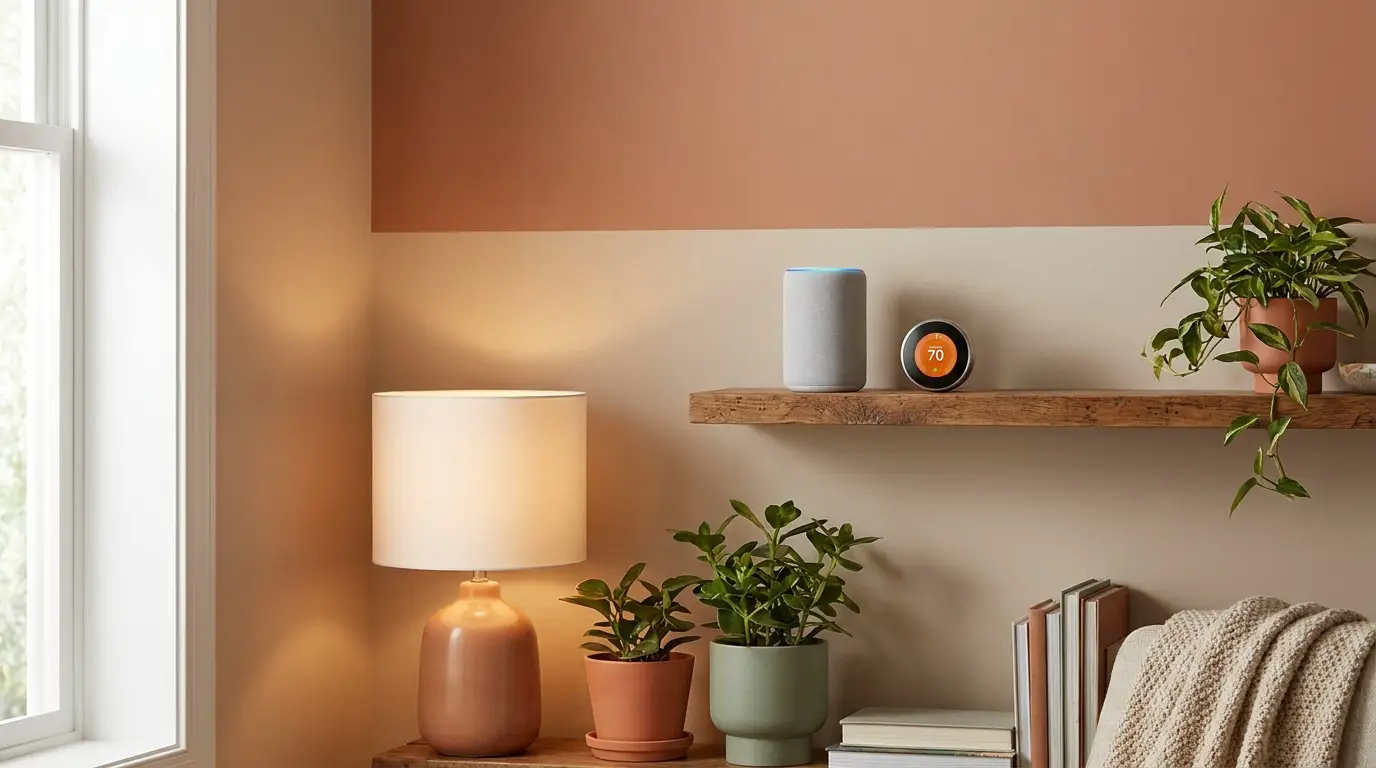
Deciding between a smart thermostat with room sensors and a single unit can feel overwhelming. Both options offer unique benefits, but the right choice depends on your home's layout, budget, and specific heating and cooling needs. Here's a detailed breakdown to help you make an informed decision.
Comparing Smart Thermostats with Sensors vs Single Units
Before diving into the details, let’s take a quick look at the key differences between these two options:
| Feature | Smart Thermostat with Sensors | Single Unit Thermostat | |--------------------------|-------------------------------|-------------------------| | Cost | $200-$300 | $100-$200 | | Room-by-room control | Yes | No | | Energy efficiency | Up to 15% savings | 5-10% savings | | Ease of installation | Moderate | Easy | | Smart home integration | Yes, highly compatible | Limited compatibility | | Ideal for | Large homes | Small to medium spaces |
Smart Thermostats with Room Sensors: Pros and Cons
Smart thermostats with room sensors offer advanced features like multi-zone temperature control. These systems use small wireless sensors placed in different rooms to measure temperature and adjust heating or cooling based on occupancy and preferences. Brands like Ecobee and Honeywell are popular choices in this category.
Pros:
- Enhanced comfort: Sensors ensure best temperature in rooms that matter most, reducing hot or cold spots.
- Energy savings: Studies show these systems can lower heating and cooling costs by up to 15%.
- Smart integration: Compatible with platforms like Amazon Alexa, Google Home, and Apple HomeKit.
Cons:
- Higher initial cost: Expect to spend between $200 and $300 for models like Ecobee SmartThermostat Premium.
- Complex installation: Professional installation may be required, adding to the overall cost.
If your home has multiple rooms with varying temperature needs, this option makes sense. For example, in larger homes, it can be frustrating when one room is freezing while another feels like a sauna. Room sensors help balance temperatures effectively.
For more details on heating efficiency, check out our guide on air-source heat pumps vs geothermal systems.
Single Unit Thermostats: When Simplicity Wins
Single unit thermostats, such as the Nest Thermostat ($129), are ideal for smaller homes or spaces where one consistent temperature is sufficient. These devices work by regulating the temperature in a single area, typically where the thermostat is installed.
Pros:
- Affordable: Prices range from $100 to $200, making them budget-friendly.
- Easy setup: Most units can be installed without professional help.
- User-friendly: Simple interfaces and basic features make them accessible to everyone.
Cons:
- Limited control: They can’t manage multiple zones, which may lead to uneven heating and cooling.
- Reduced energy savings: Typically saves 5-10% on energy bills, compared to the 15% potential of multi-zone systems.
If your home is small or has an open floor plan, a single unit may suffice. It’s also a great option for renters who want to improve comfort without making major changes to the space.
Curious about how smart devices can improve your home's efficiency? Read more in our article on air purifiers vs dehumidifiers.
Which Should You Choose?
The decision boils down to your specific needs. Opt for a smart thermostat with room sensors if:
- Your home has multiple rooms with varying temperature needs.
- You want to maximize energy savings (up to 15% annually).
- You’re already invested in a smart home system like Alexa or Google Home.
Go for a single unit thermostat if:
- Your home is smaller or has an open layout.
- You’re on a tight budget (under $150).
- You prefer a quick and simple installation.
For broader insights into home heating and cooling efficiency, explore a beginner's guide to home insulation.
Sources
- Ecobee SmartThermostat Premium Overview
- Nest Thermostat Features and Pricing
- Energy Saving with Smart Thermostats
FAQ
How much does a smart thermostat with sensors cost?
Most smart thermostats with room sensors cost between $200 and $300. For example, the Ecobee SmartThermostat Premium is priced at $249.
Can single unit thermostats connect to Alexa?
Yes, some single unit thermostats, like the Nest Thermostat ($129), are compatible with Amazon Alexa for voice control.
Do room sensors require batteries?
Yes, most room sensors use batteries. For example, Ecobee’s sensors typically use coin-cell batteries that last up to 2 years.
Will a smart thermostat work in a large home?
Smart thermostats with room sensors are ideal for larger homes. They help balance temperatures across multiple rooms, ensuring comfort throughout the space.
How do I install a smart thermostat?
Single unit thermostats are DIY-friendly, often taking under 30 minutes to install. Models with room sensors, like the Ecobee, may need professional setup.