The home improvement industry is projected to reach around $620 billion in market value by 2026. Driving this growth are two dominant trends: energy efficiency and smart home technology. Homeowners are increasingly prioritizing upgrades that reduce utility bills and increase property value. Let’s break down the numbers and explore the implications.
Energy-Efficient Upgrades: Leading the Charge
Energy-efficient improvements are expected to account for 30% of all home improvement spending in 2026. Solar panel installations are projected to rise by 20% compared to 2025, fueled by falling costs and government incentives. A standard 6-kilowatt solar system now costs around $12,000, down from $18,000 a decade ago. This isn't just good for the environment, it's a financial win.
Home insulation upgrades remain a top choice, with spray foam insulation gaining traction for its ability to reduce heating and cooling costs by up to 40%. If you're considering insulation improvements, read this guide on home insulation to explore options like fiberglass, cellulose, and spray foam.
Tankless water heaters are another popular pick. These systems, priced from $1,200 to $3,500, can provide long-term energy savings by heating water only when needed. For more details on sealing gaps to optimize insulation, check out this guide to caulking and sealing.
The Rise of Smart Home Technology
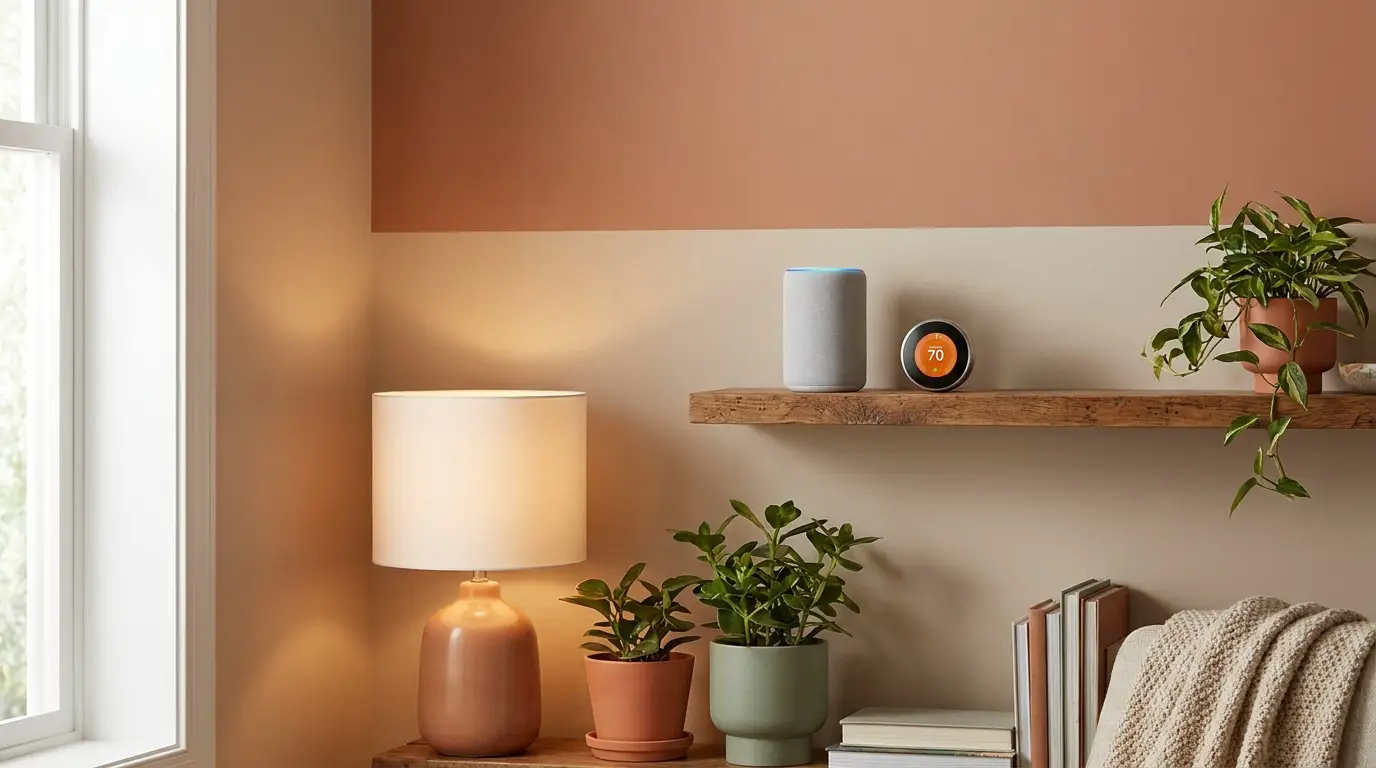
2026 will be a landmark year for smart home devices, with adoption rates expected to reach 55%. Homeowners are increasingly investing in smart thermostats like the Nest Learning Thermostat ($249) and security systems such as the Ring Alarm Pro (starting at $199). These devices not only enhance convenience but also contribute to energy savings.
Smart lighting systems are another growing trend. Philips Hue starter kits (priced around $200) allow homeowners to control lighting through their smartphones, reducing electricity consumption by up to 20%. Voice-controlled options like Amazon Echo and Google Nest Hub are making smart home integration even easier.
For tech-savvy homeowners interested in air quality, choosing between air purifiers and air filters can be tricky. This comparison explains the key differences to help you decide which suits your home best.
DIY Home Improvement Projects: Tools and Trends
The DIY market is booming, with 65% of homeowners planning to tackle projects themselves in 2026. Cordless tools are at the forefront, thanks to their convenience and power. For instance, the DeWalt DCD791D2 cordless drill ($179) offers 460 UWO of power, making it ideal for everything from furniture assembly to heavy-duty tasks.
Cordless impact drivers are another must-have, particularly for repetitive tasks like driving screws. Models like the Milwaukee M18 Fuel, rated at 1,800 in-lbs torque, are workhorses for any DIY enthusiast. If you're exploring the best tools for intricate cuts, check out this jig saw review for options under $250.
Safety is key for DIYers. Always invest in protective gear like ANSI-approved safety goggles and gloves. For electrical projects, consult this wiring guide to avoid common mistakes.
The Changing Face of Home Renovation
Contractors are adapting to shifting homeowner preferences. Kitchens remain the most renovated space, with 40% of remodels focusing on this area in 2026. Quartz countertops, ranging from $50 to $120 per square foot, continue to dominate over granite. Smart appliances, including Samsung’s Family Hub refrigerator ($3,299), are increasingly popular.
Outdoor spaces are also receiving more attention. Composite decking materials like Trex, starting at $30 per square foot, are being chosen over traditional wood for their durability. Cordless tools are essential for landscaping projects, so consider investing in top hedge trimmers for precision work.
Surprisingly, bathroom renovations are seeing a shift toward accessibility features, such as walk-in tubs ($2,000-$10,000) and grab bars. This trend reflects an aging population choosing to age in place rather than move to assisted living facilities.
FAQ
What are the most affordable home improvement projects for 2026?
Painting a room costs around $300 for supplies, while installing energy-efficient LED lighting fixtures can range from $50 to $200. Both are budget-friendly upgrades that offer immediate impact.
How can I maximize energy savings with home upgrades?
Focus on insulation and smart devices. Spray foam insulation, costing $1.50-$3 per square foot, can reduce energy bills by 40%. Pair it with a smart thermostat like Nest for up to 10% additional savings.
Are cordless tools reliable for heavy-duty home improvement?
Yes, they are. Models like the DeWalt DCD996 ($219) and Milwaukee M18 Fuel impact driver (1,800 in-lbs torque) outperform corded counterparts. They're ideal for drilling, driving, and even light demolition work.
What’s the best way to compare air purifiers and air filters?
Air purifiers excel at removing allergens and airborne particles, while filters focus on trapping dust and debris. If allergies are your concern, a HEPA-certified air purifier like the Honeywell HPA300 ($249) is a solid choice.
How much does smart home integration cost in 2026?
Basic systems start at $199 for devices like the Ring Alarm Pro, while full-scale setups including lighting, security, and climate control can exceed $5,000. Smart home bundles often offer discounts.